
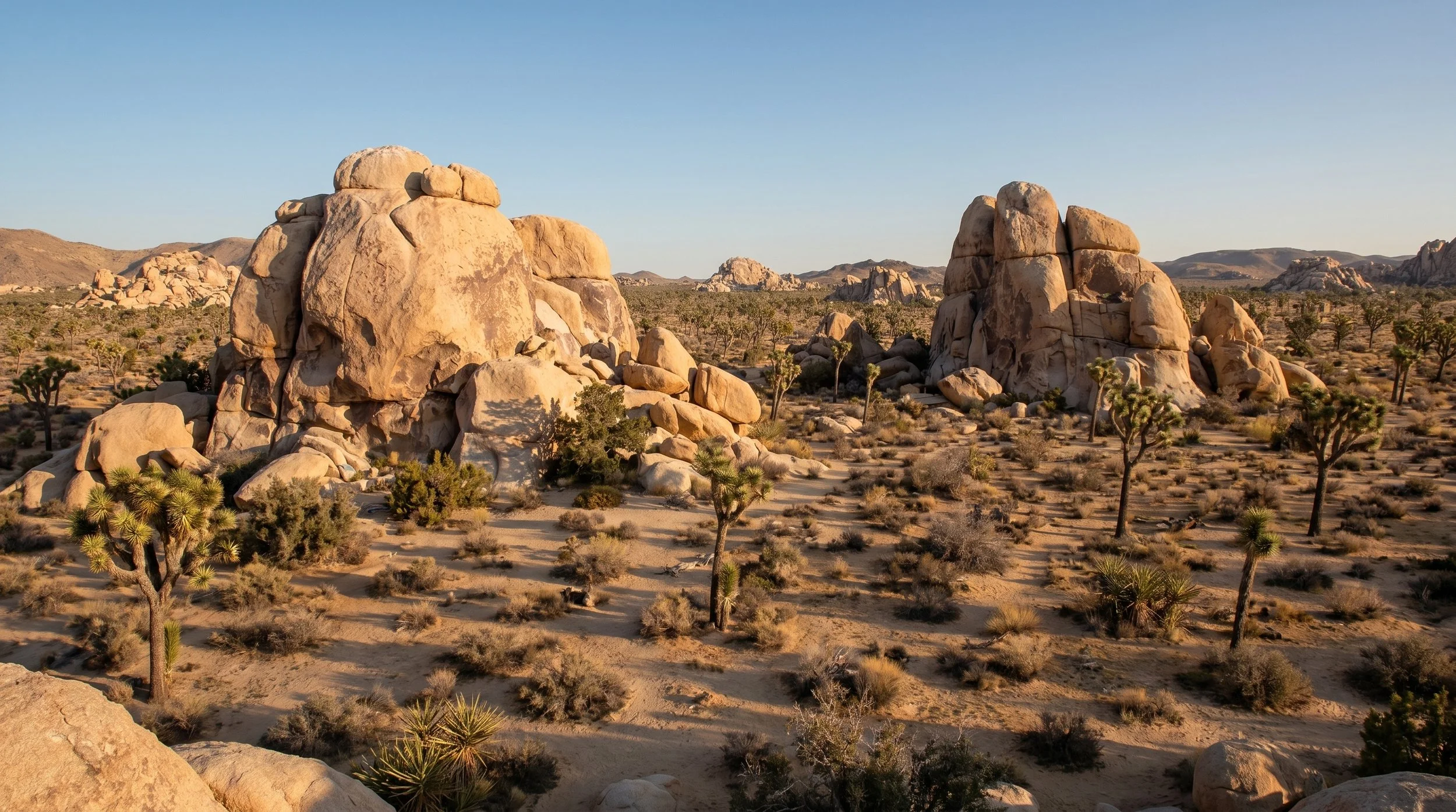
LAND - Site Analysis
THE RELATIONSHIP WITH LAND AND NATURE IS THE FIRST CONSIDERATION IN ANY DESIGN.
Before design begins, we conduct full environmental analysis of every project site. Solar path modeling across all seasons. Prevailing wind direction and velocity. Topographic influence on airflow. Thermal mass opportunity. Microclimate conditions.
Orientation, massing and envelope performance are derived directly from this analysis. Not estimated. Not assumed.
A correctly oriented building requires a fraction of the mechanical energy of one that isn't. We design that outcome in from the first decision, not as a feature added afterward.
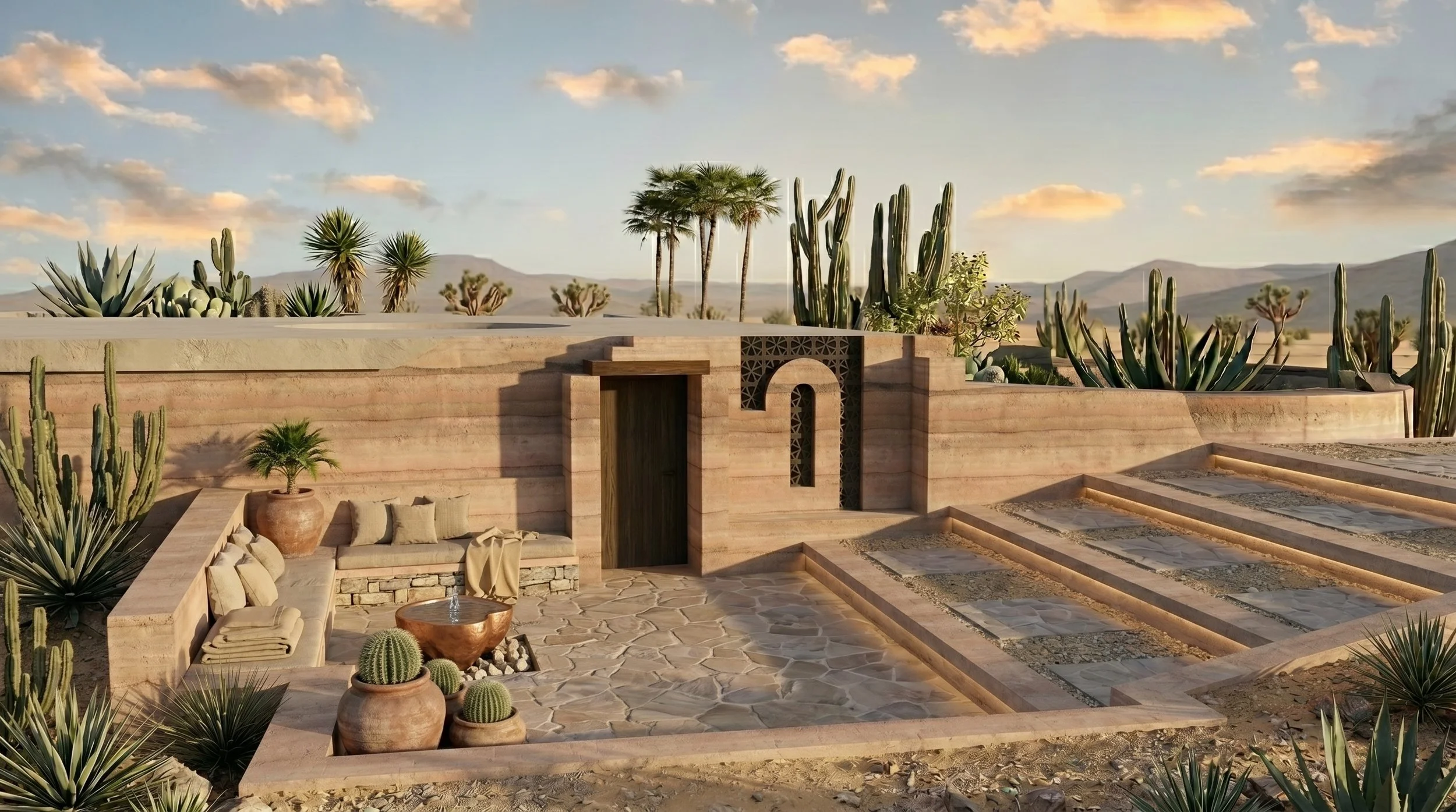
Passive design is not a feature. It is the foundation.
SUN + ORIENTATION
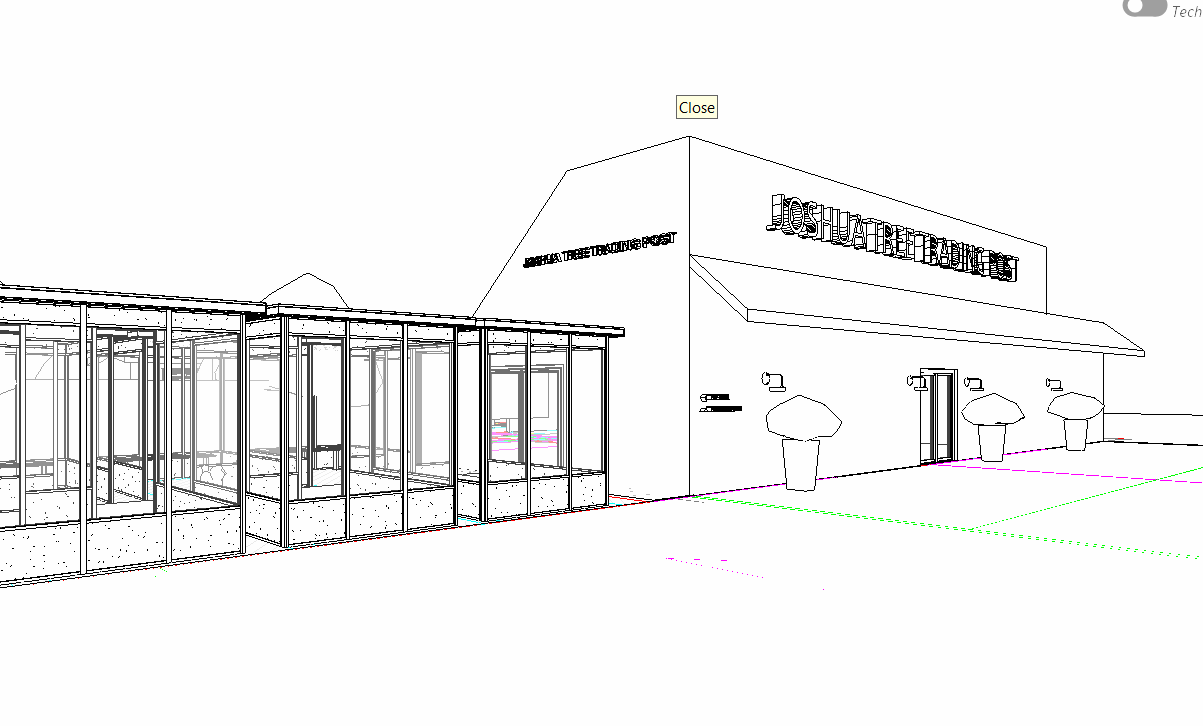
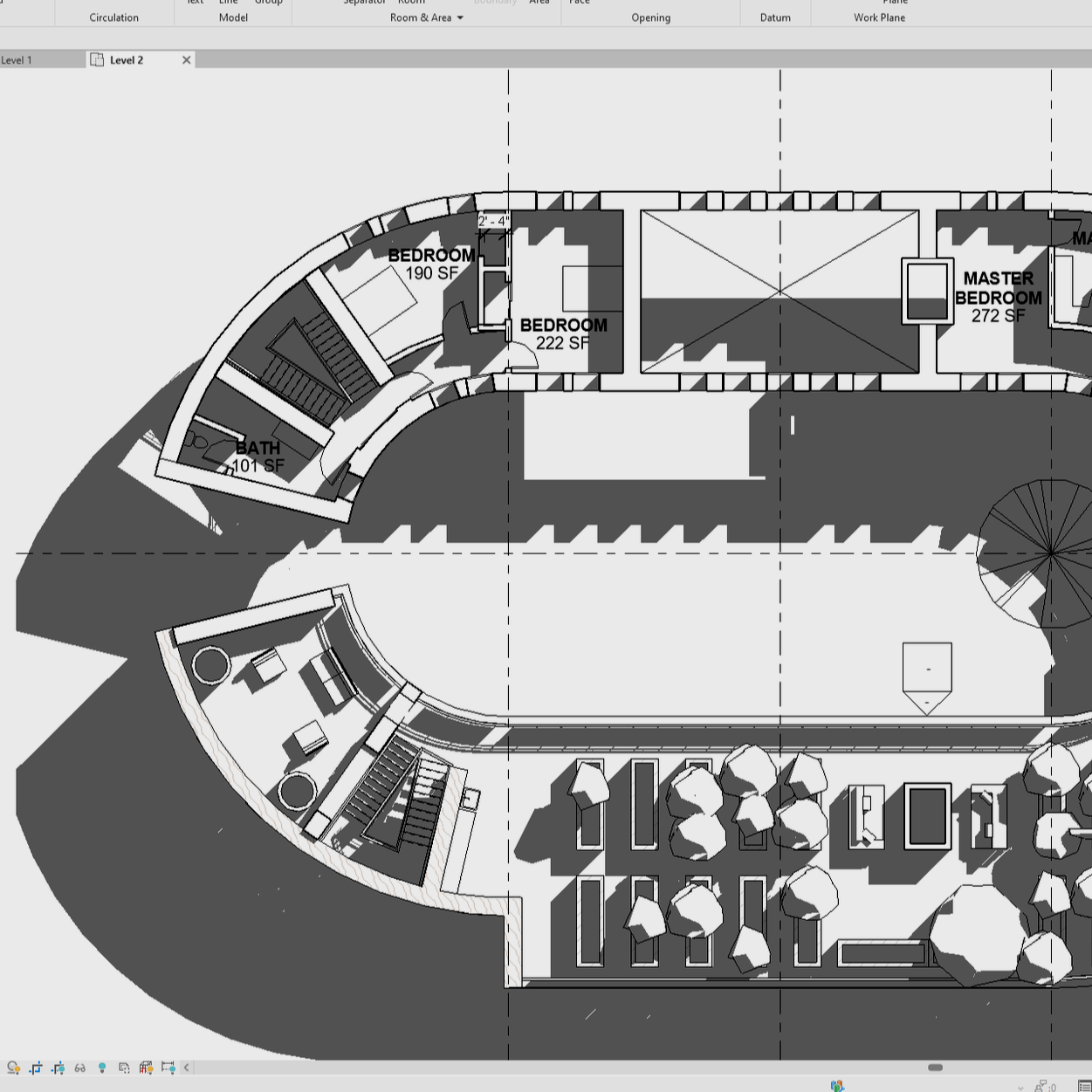
Solar geometry is not a variable - it is a fixed condition of every site. We model sun angles across all seasons before any design decision is made. Glazing ratios, roof overhangs, thermal mass placement and room orientation are all derived from this analysis.
The result is a building that is passively heated in winter, shaded in summer, and calibrated to its specific latitude and microclimate.
WIND + AIR
Prevailing wind patterns, topographic channeling and site-specific airflow determine how a building breathes.
We analyze wind direction and velocity at the design stage to locate cross-ventilation pathways, position operable openings, and design envelope assemblies that work with natural air movement. This reduces mechanical cooling loads and maintains interior air quality without dependence on filtration.
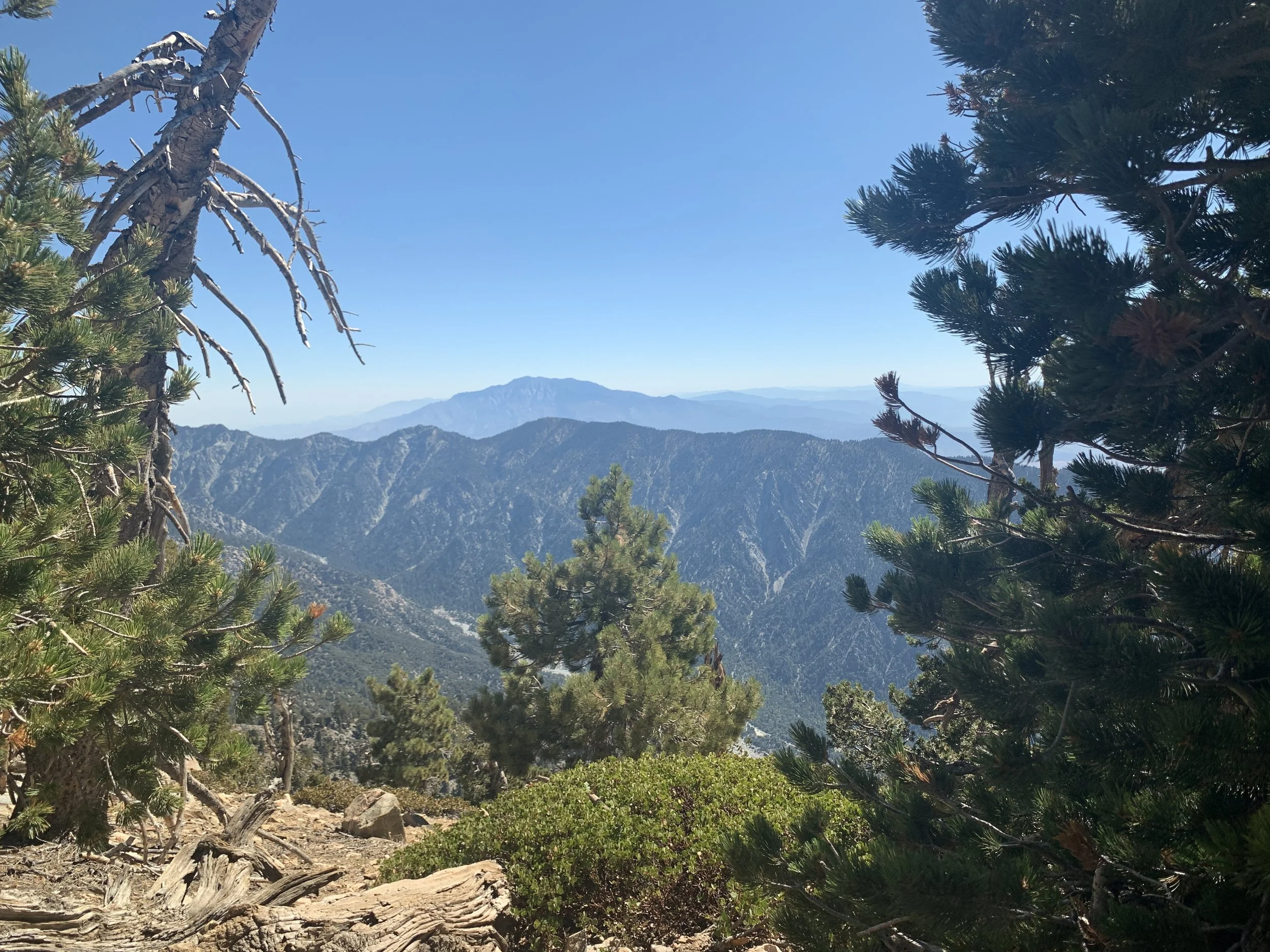
SPIRIT OF PLACE
Every site has a character that exists before the building arrives. Topography, vegetation, view corridors, light quality, the way sound moves across the land - these are the conditions a building should respond to, not override.
We read a site the way a careful observer reads a landscape: for what is already there, what wants to be honored, and what the building can become in relation to it.
Passive design means the building itself - its orientation, its mass, its apertures — does the work that mechanical systems are typically asked to do. Heating, cooling, ventilation and daylighting are addressed first through architecture. Mechanical systems supplement what the building cannot accomplish on its own. They do not substitute for design decisions that were never made correctly in the first place.
A passive approach reduces long-term energy costs, simplifies building systems, and produces interior environments that feel fundamentally different from mechanically conditioned space. The air is not processed, the temperature is stable, the light takes your breath away.
Site design is how we start every project.
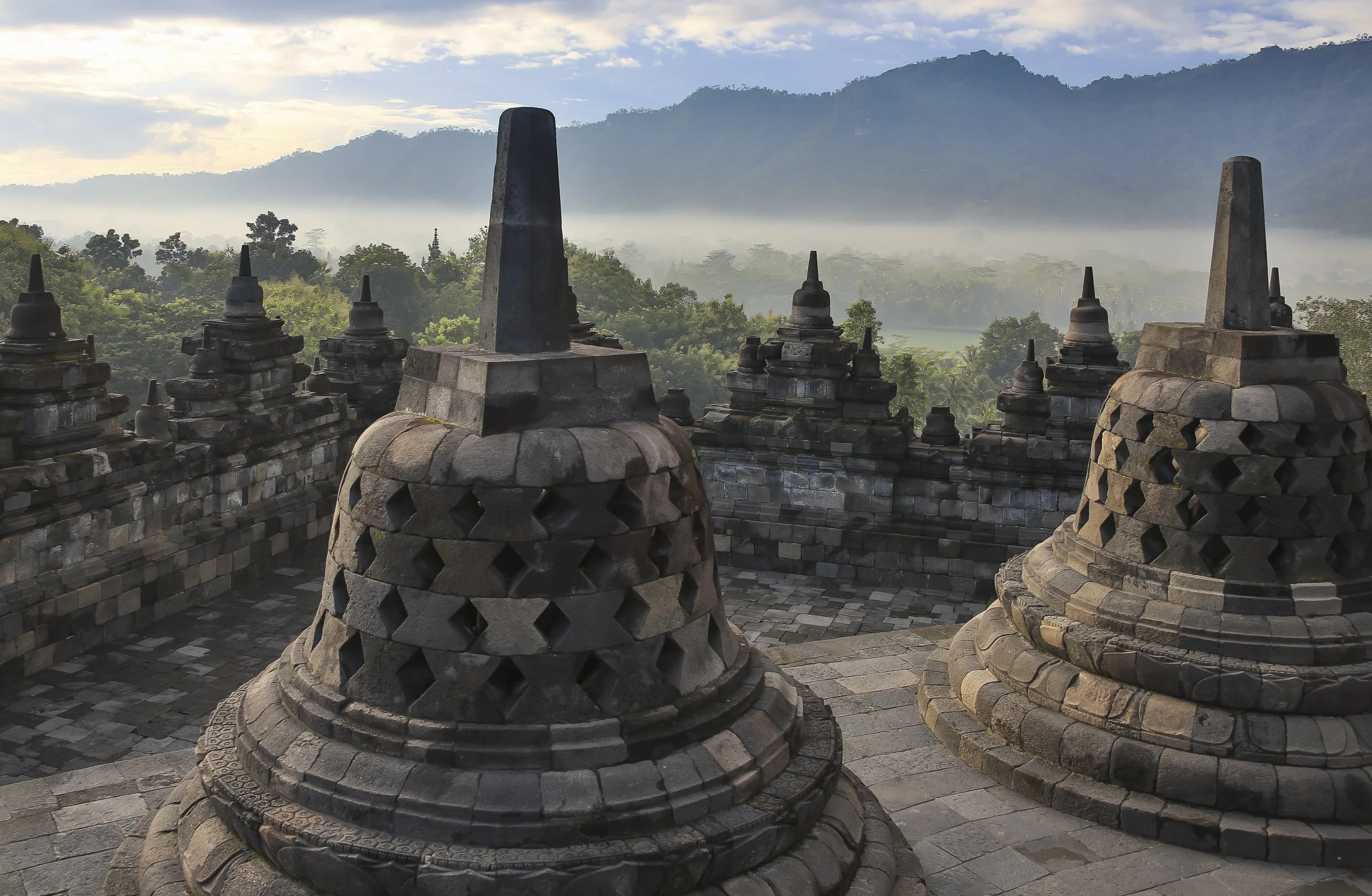
The Romans called it Genius Loci.
The Spirit of Place.
The guardian spirit of a place.
The invisible presence that gives a site its particular character - the quality of its light, the weight of its silence, the way the land holds or releases you as you move through it.
This is not mysticism, it is observation. Every site carries conditions that accumulate over time: the angle at which morning light enters a canyon, the direction a hillside faces, the way prevailing winds slow as they cross a ridge, the specific texture of heat radiating off stone at dusk. These are measurable phenomena. They are also, in aggregate, something more than measurement captures.
The great buildings of antiquity were not placed arbitrarily. Temple sites were chosen for what they already were - elevated, oriented, resonant with the conditions of sky and earth that made them legible as sacred. The building arrived to mark what the land had already declared.
We work from the same premise. Before a plan is drawn, we read the site. Not only for solar path and wind data, but for what the place already is. Where it wants to be entered. Where it opens. Where it asks for shelter and where it asks for exposure, what axis the landscape suggests. What the light does at the hour a particular room will be most used.
A building that ignores this produces a different result than one that doesn't. You feel it the moment you arrive - whether a place has grown from its site or been placed on top of it. The difference is not stylistic, it is fundamental.
WE DESIGN FROM THE LAND OUTWARD.
Site analysis at 4D Design includes solar modeling, wind and airflow study, topographic mapping, microclimate assessment, view corridor analysis, and acoustic conditions. It also includes time spent on the land — observing, reading, understanding what is already present before anything is proposed.
The building that emerges from this process is not imposed on its site. It is a response to it.