SOUL - Geometry + Resonance
GEOMETRY IS NOT DECORATION.
IT IS THE OPERATING SYSTEM OF FORM.
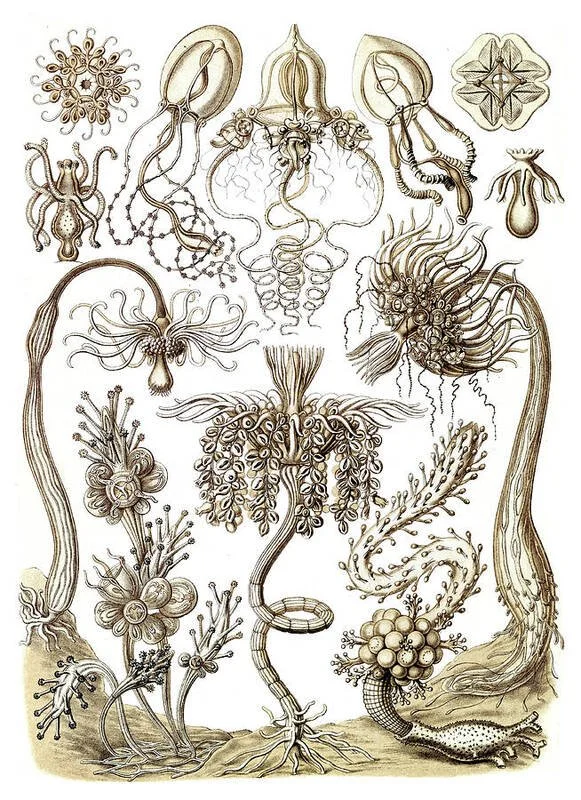
Nature does not produce arbitrary shapes. The spiral of a nautilus shell, the branching of a river delta, the growth pattern of a sunflower - these are fully optimized engineering solutions, not aesthetics. They are the visible output of mathematical laws governing how energy organizes itself into stable form.
The same laws govern human perception. Certain proportions produce calm, while other ratios produce a sense of calmness or joy that cannot be fully articulated but is immediately felt. This is not cultural preference or subjective taste. It is the nervous system recognizing the patterns it evolved within.
Architecture that is built from these proportions does not need to announce itself - it simply feels different. You know it when you enter it. You have always known it.
GEOMETRY OF NATURE
The same geometric relationships that govern the growth of a shell, the branching of a river, and the structure of a crystal are the ones the human nervous system finds most legible, most restful, and most alive.
We build from these relationships because they work - and because they have always worked.
GOLDEN RATIO + PHI
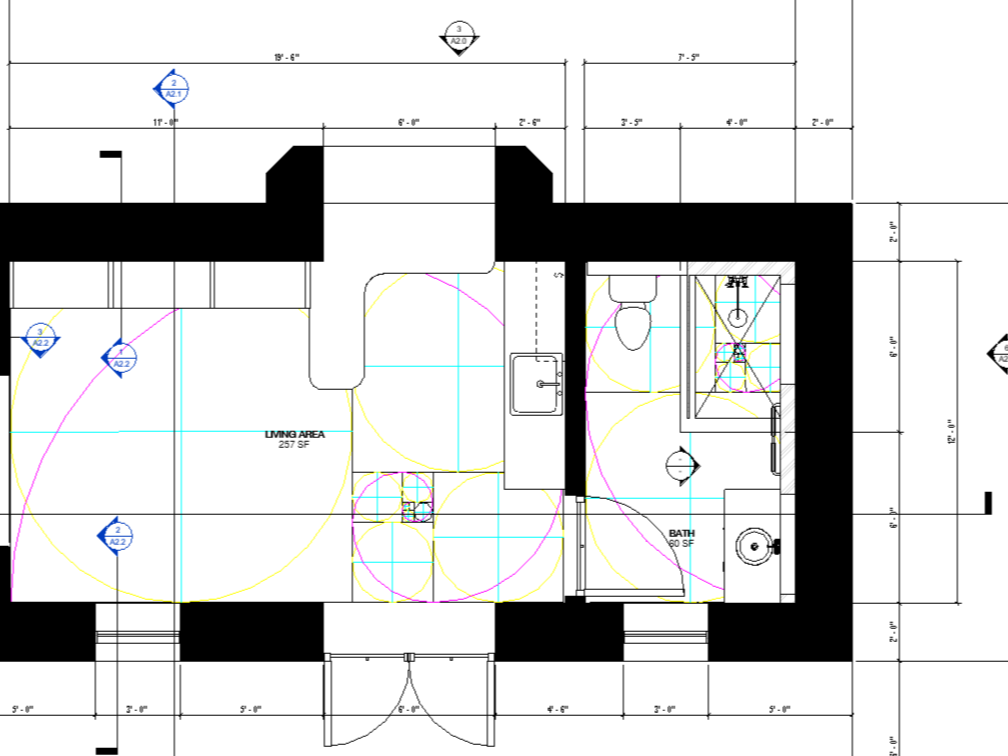
The golden ratio 1:1.618 appears throughout the natural world as the proportion that governs an efficient, stable rate of growth.
It is the ratio of successive terms in the Fibonacci sequence, the proportion found in the human body, the growth spiral of shells and galaxies. In architecture, it produces rooms and facades that feel correct, where nothing needs to be added or removed.
We use phi-based proportional systems to establish room dimensions, ceiling heights, aperture ratios, and the relationship between interior and exterior space.

FRACTALS + SELF-SIMILARITY
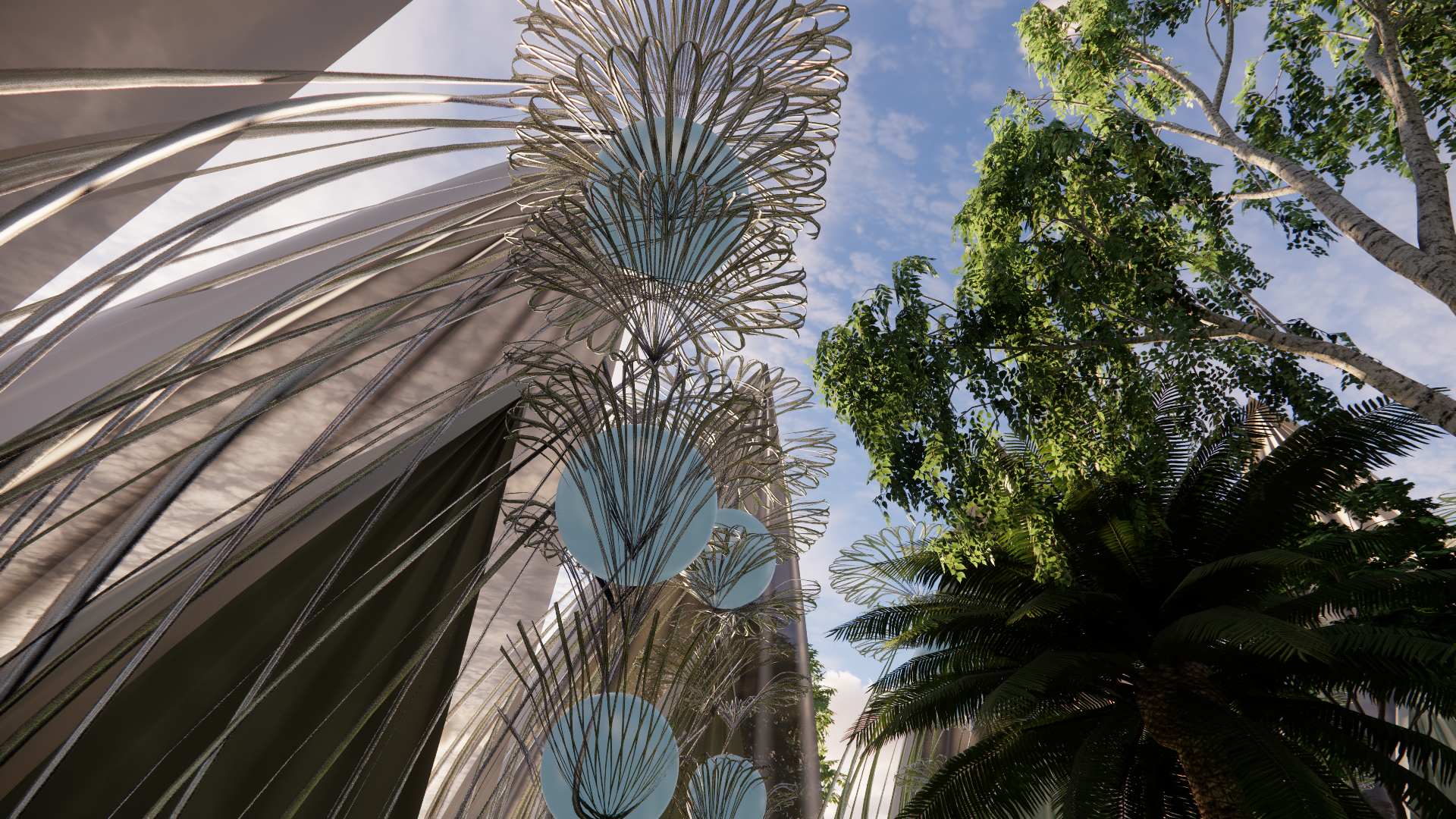
Fractals are forms that repeat their structure at every scale - coastlines, clouds, mountain ranges, river deltas, trees, neural networks.
Research in environmental psychology has established that the human nervous system responds positively to fractal patterns in a specific dimension range, the same range that appears most frequently in natural landscapes.
Architecture that incorporates fractal geometry through structural articulation, surface texture and ornamental systems produces measurable reductions in physiological stress. The eye and nervous system find rest in self-similar complexity.
It signals nature. It signals safety.

PLATONIC SOLIDS
The five Platonic solids - tetrahedron, cube, octahedron, dodecahedron and icosahedron are the only perfectly regular three-dimensional forms possible in Euclidean space.
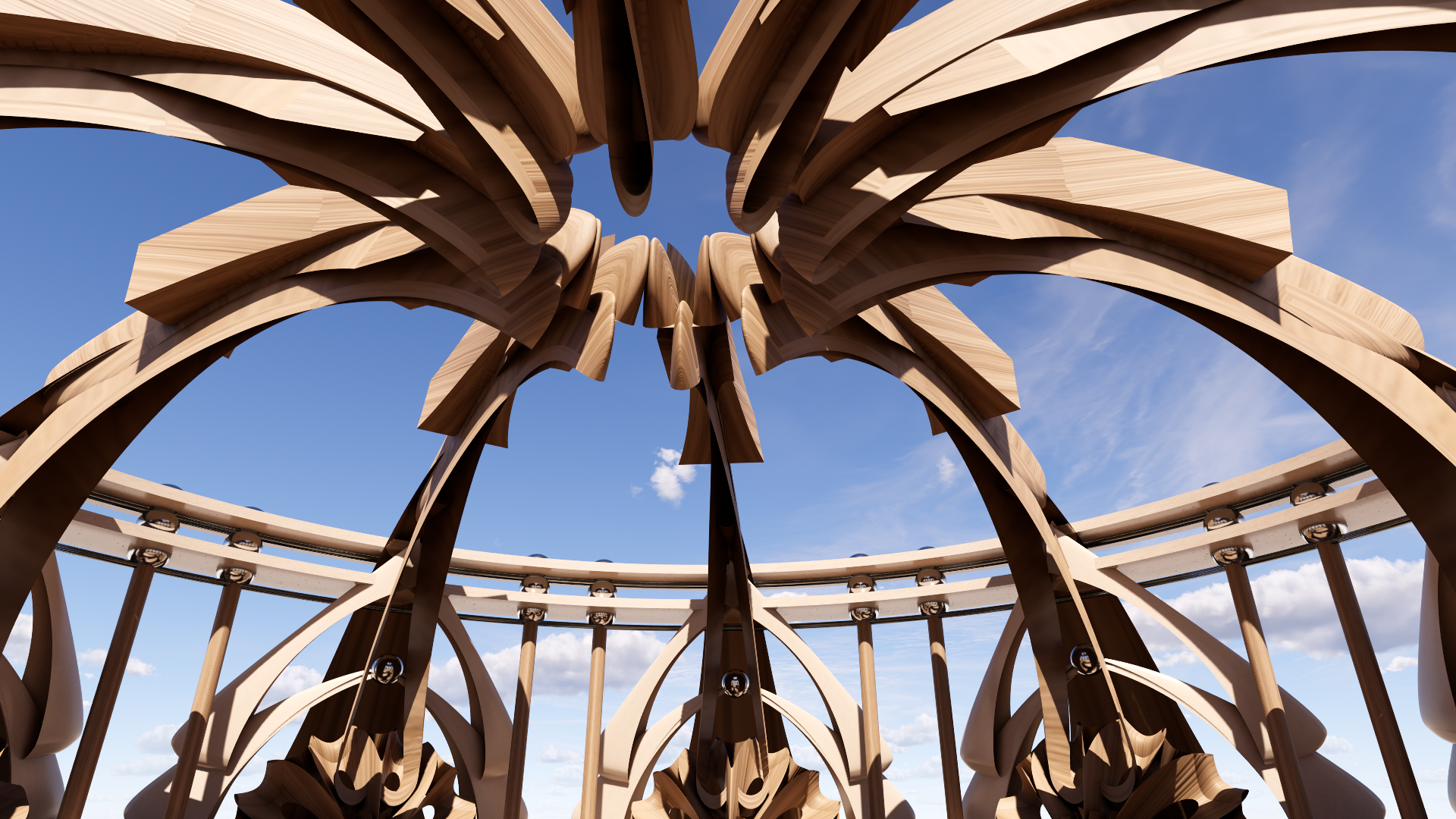
They are the geometric basis of crystalline structure, atomic geometry, and the organization of biological forms at the cellular level. In architectural application, they provide the spatial vocabulary for domes, vaulted structures, and the hierarchical organization of complex forms.
Their proportional relationships encode the harmonic series that connects geometry to music to the physics of vibration.
Using these key building blocks of nature has a profoundly calming effect on the psyche.
PARAMETRIC GEOMETRY + RESONANT FORM
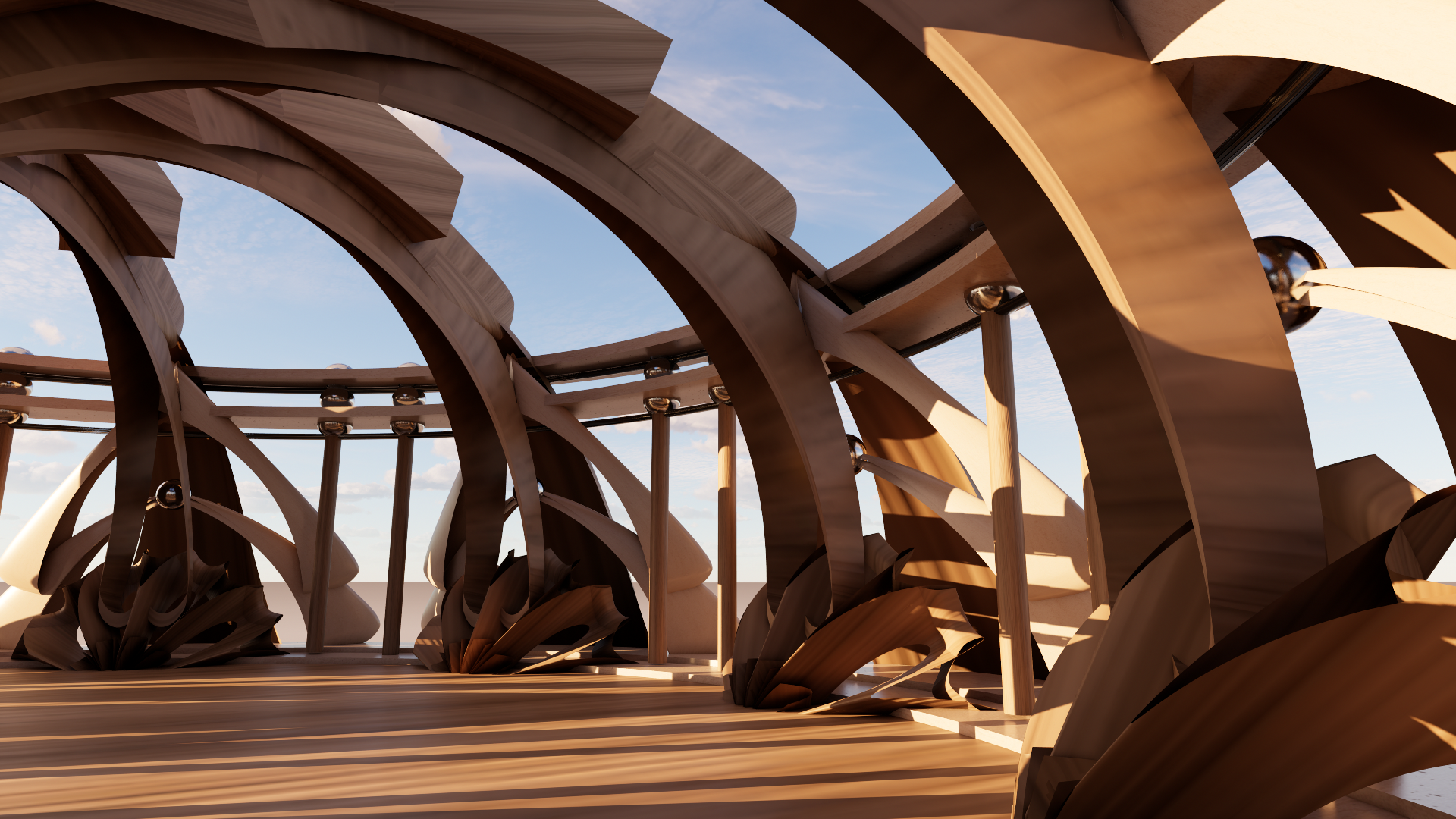
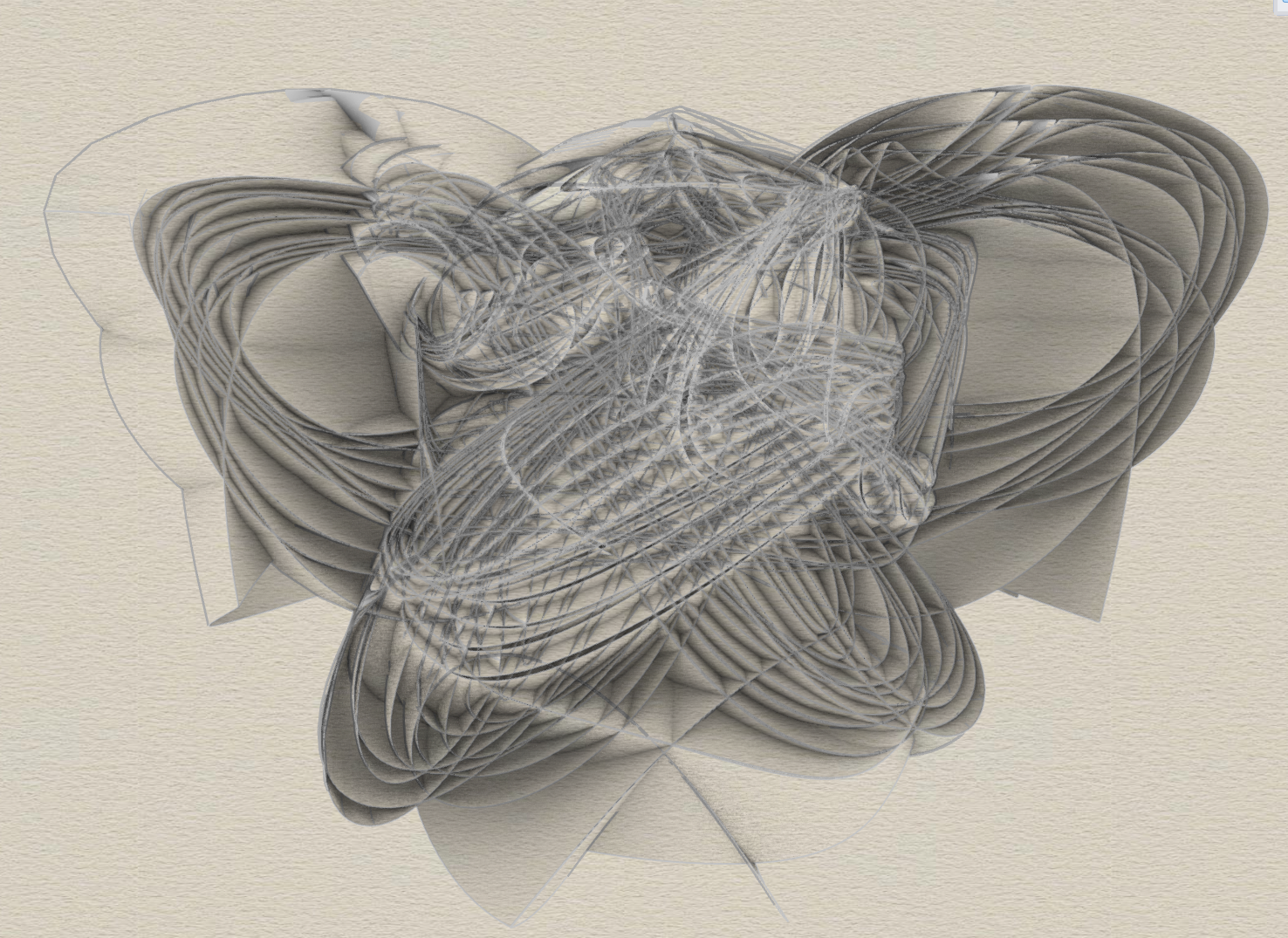
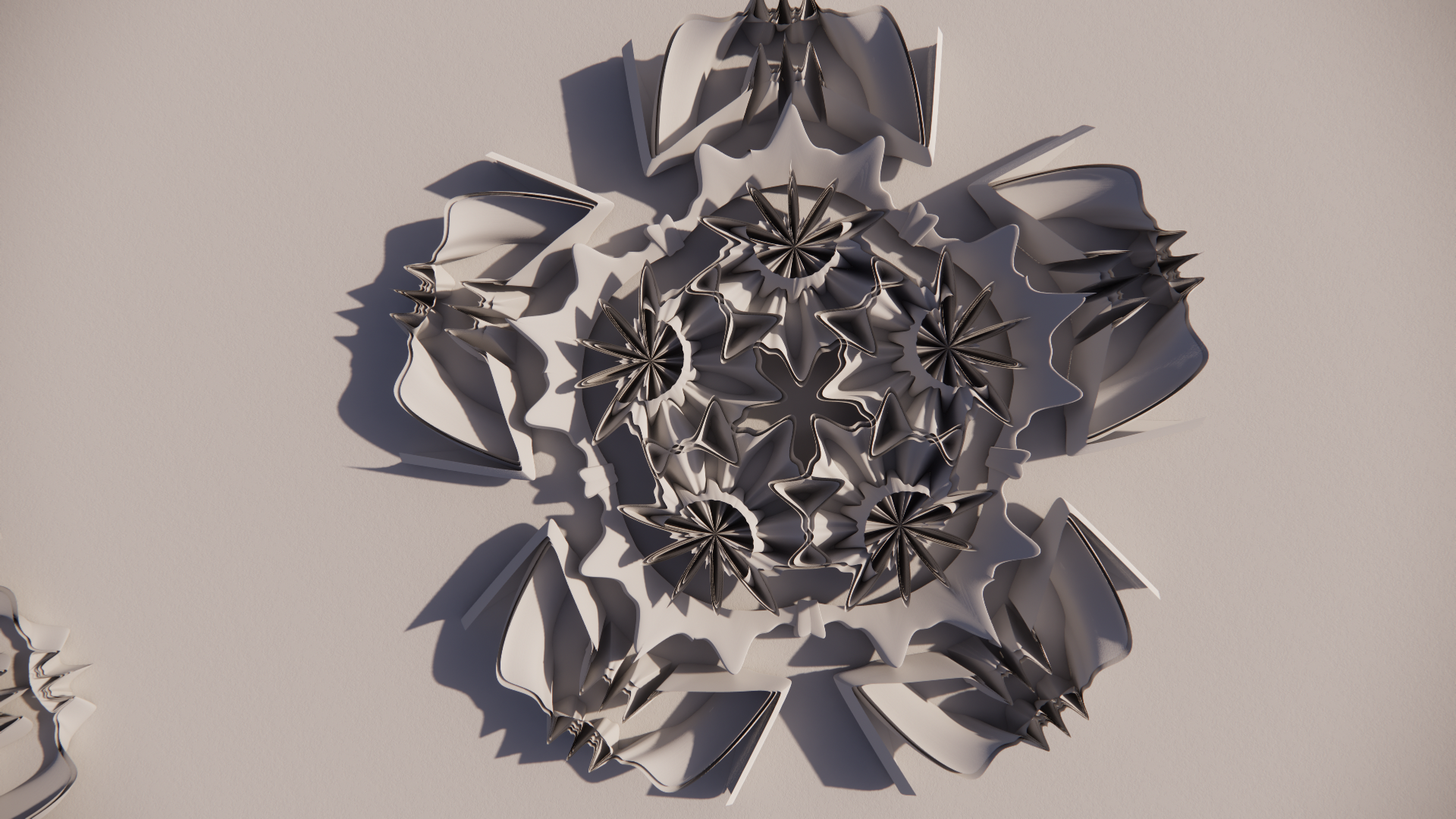
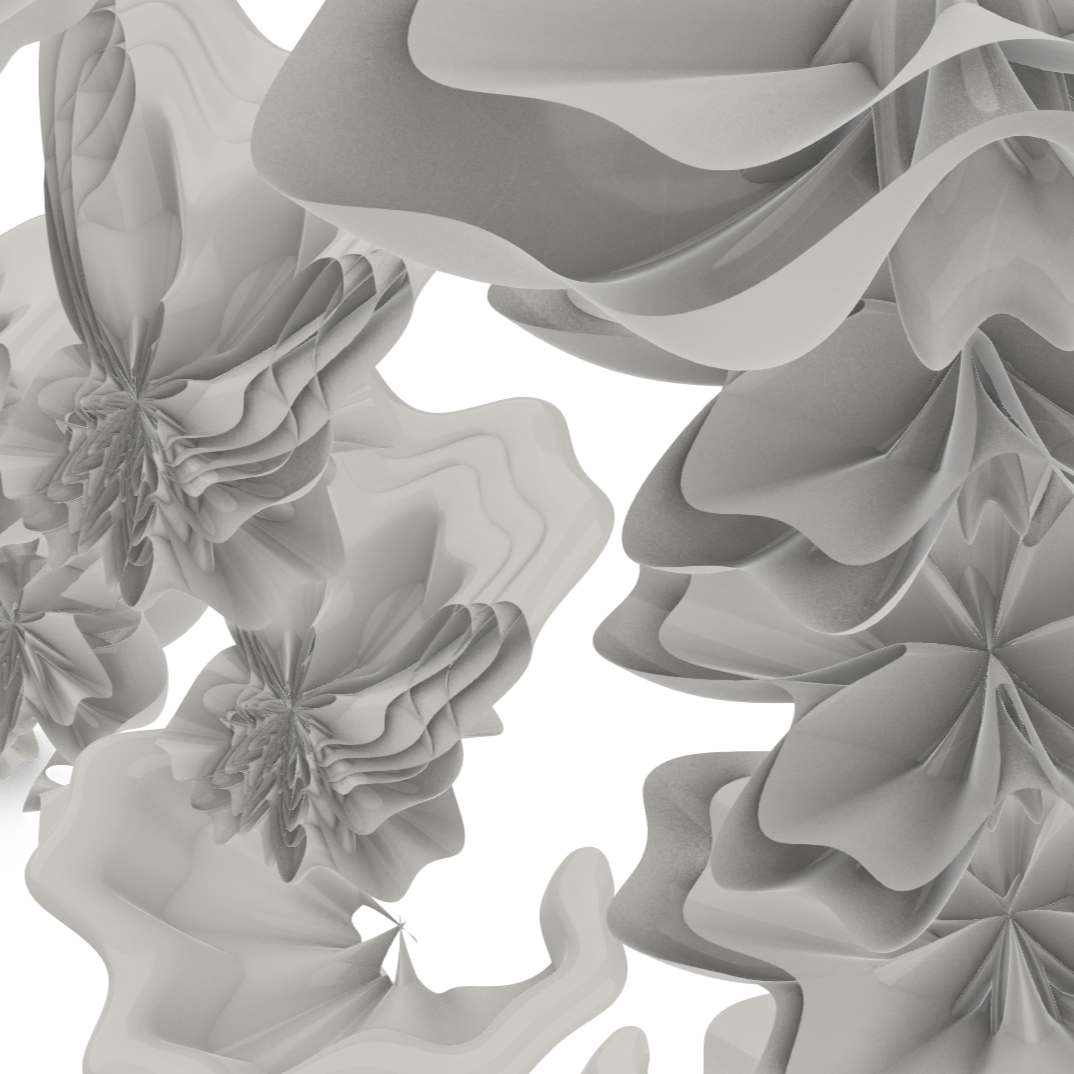
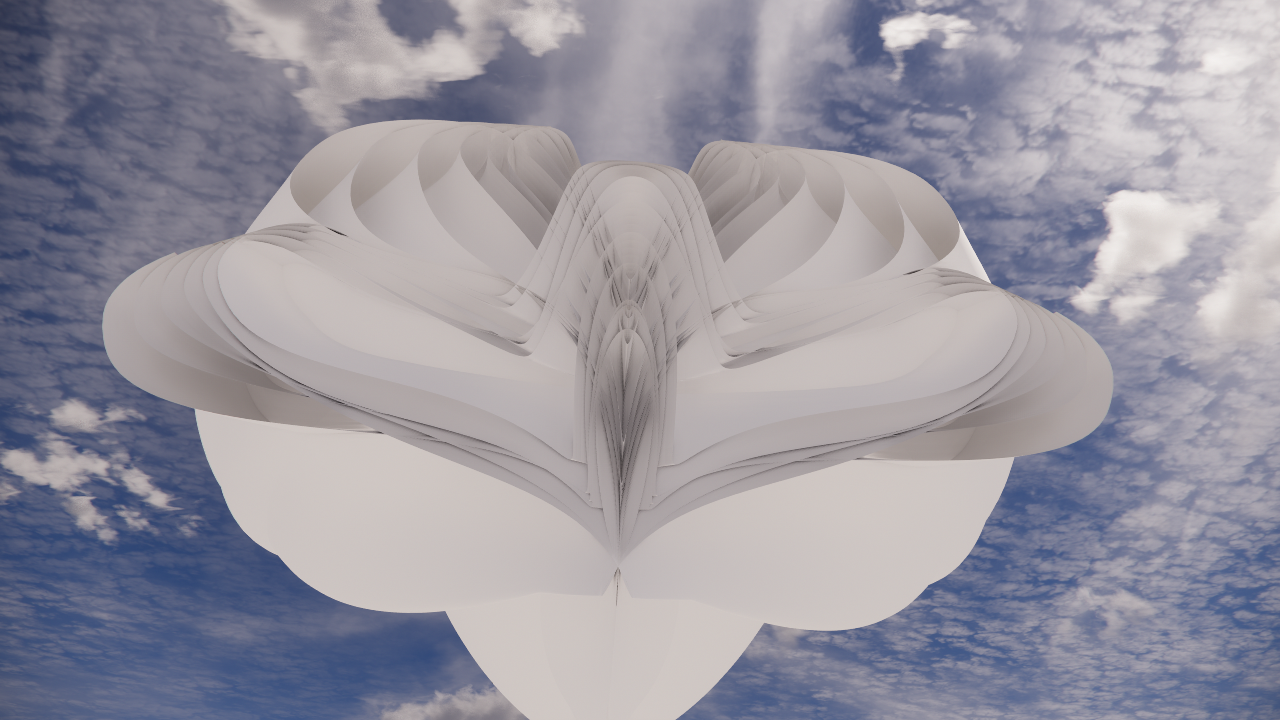
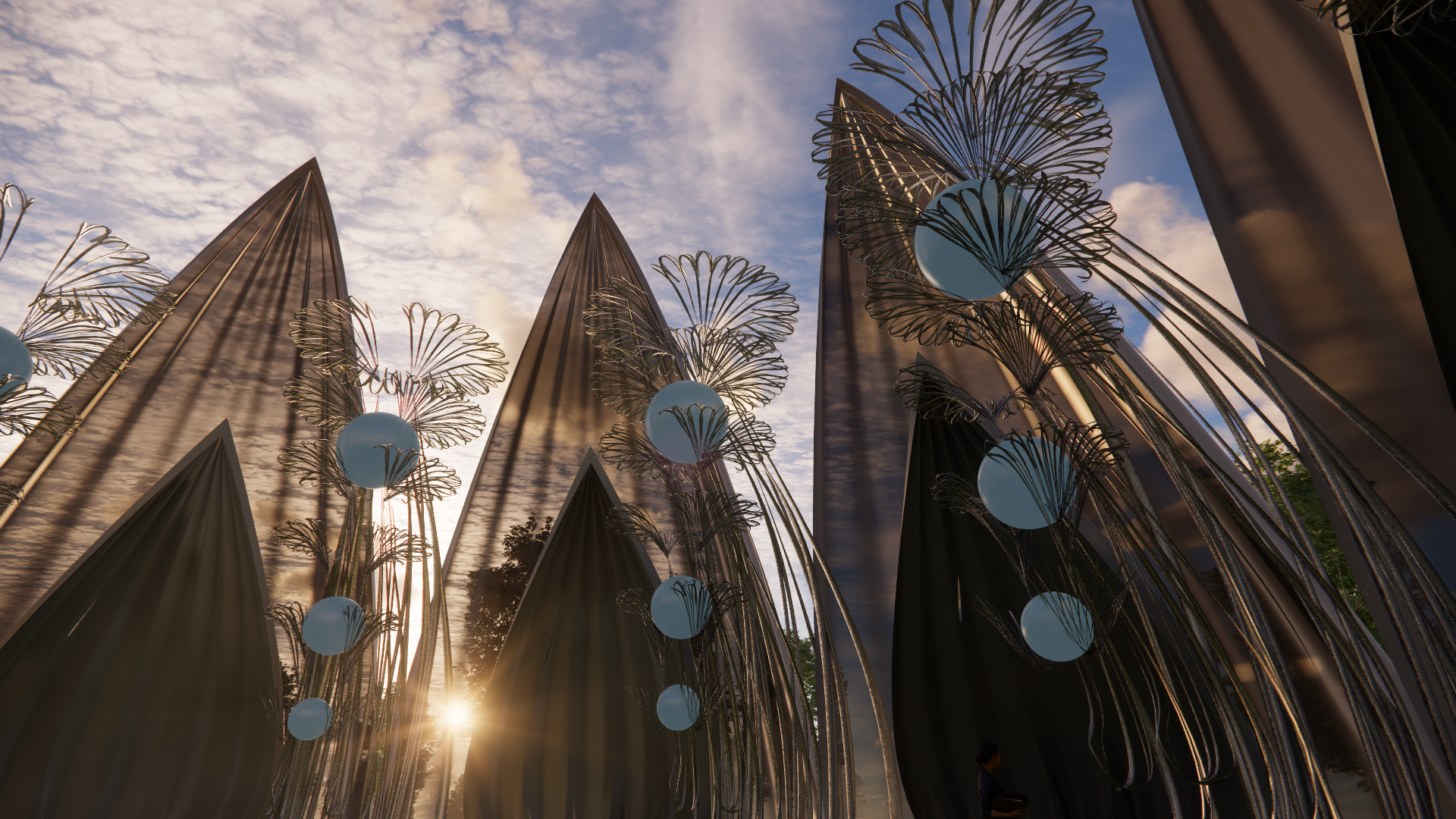
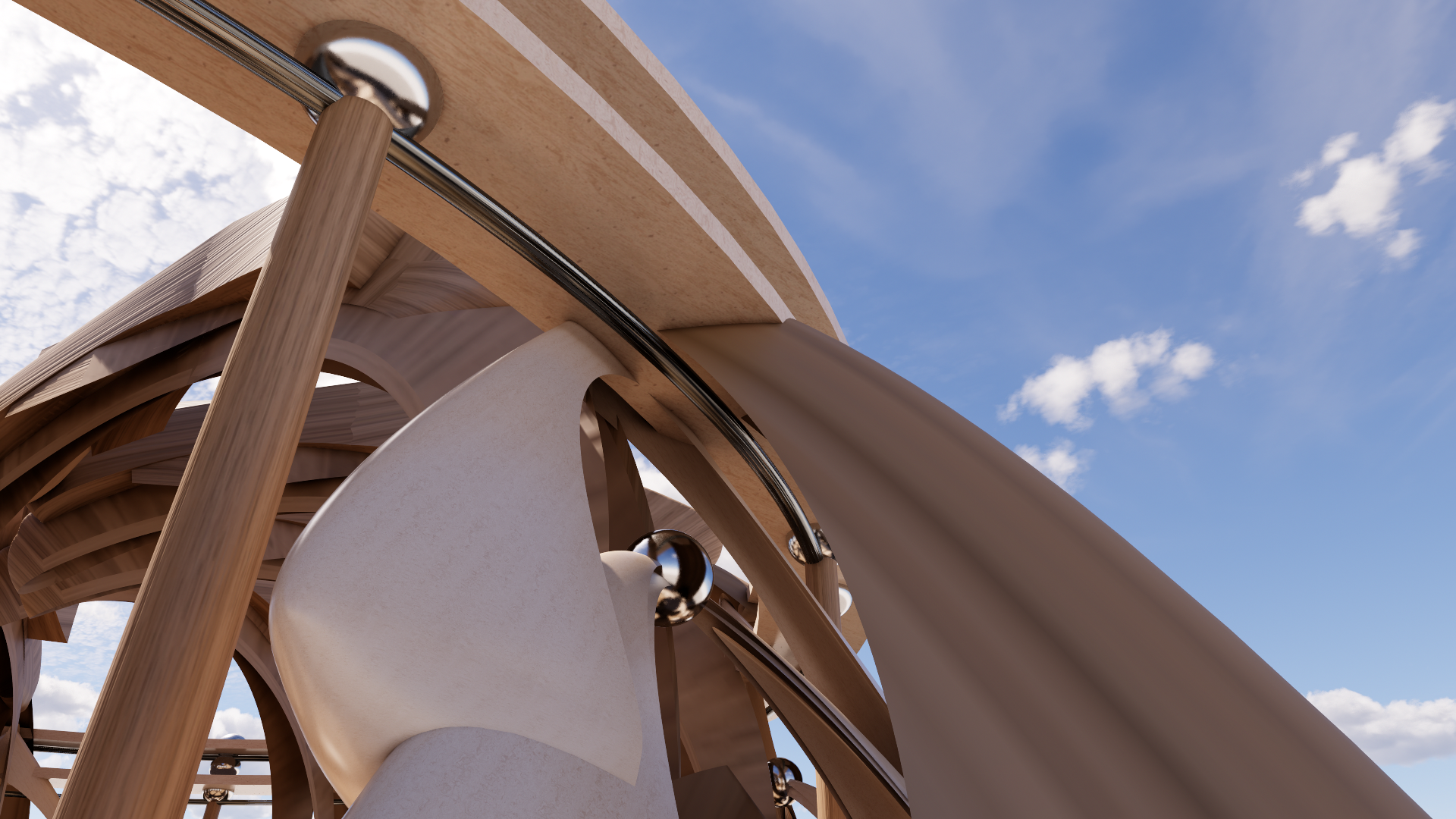
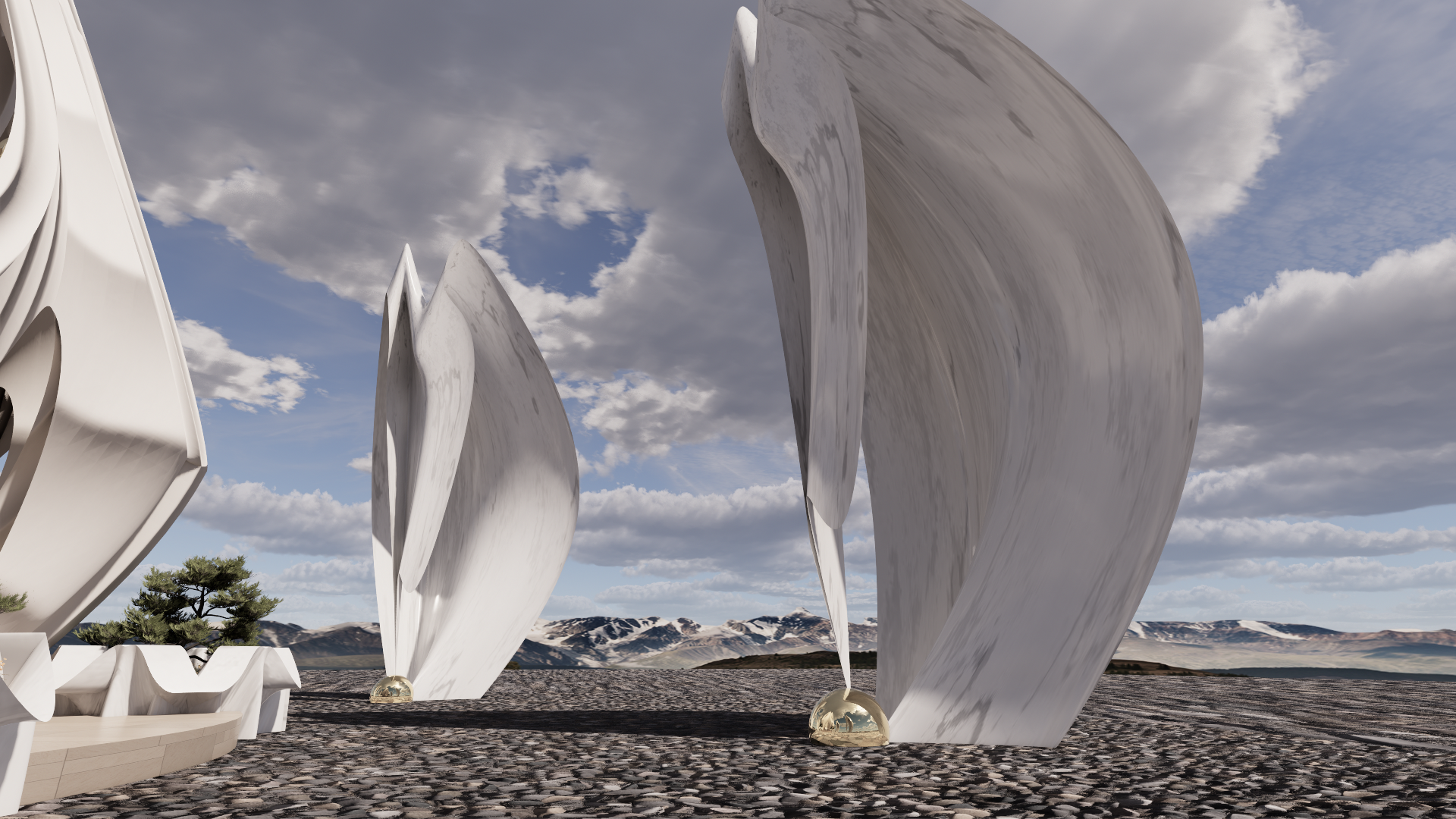
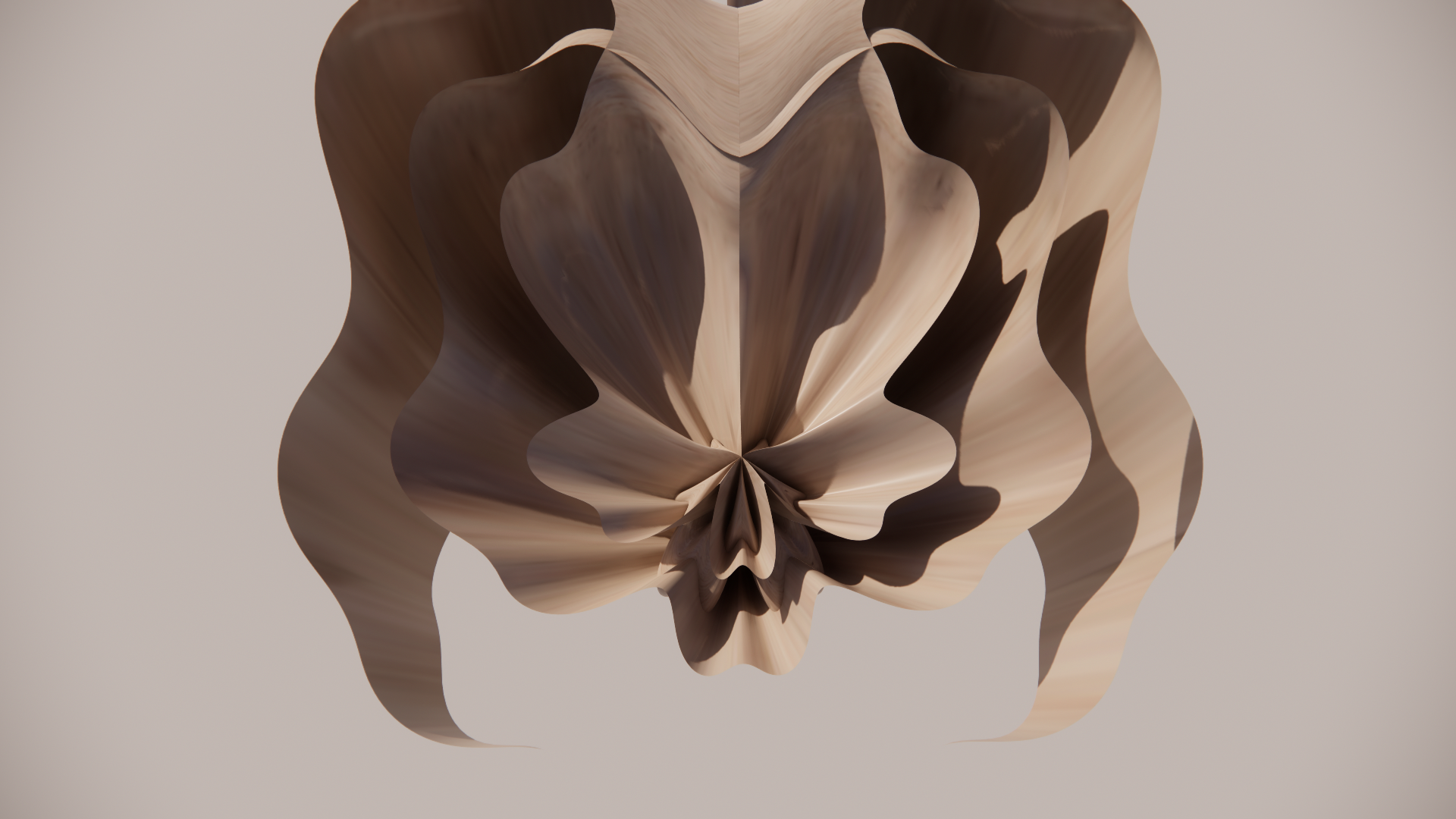
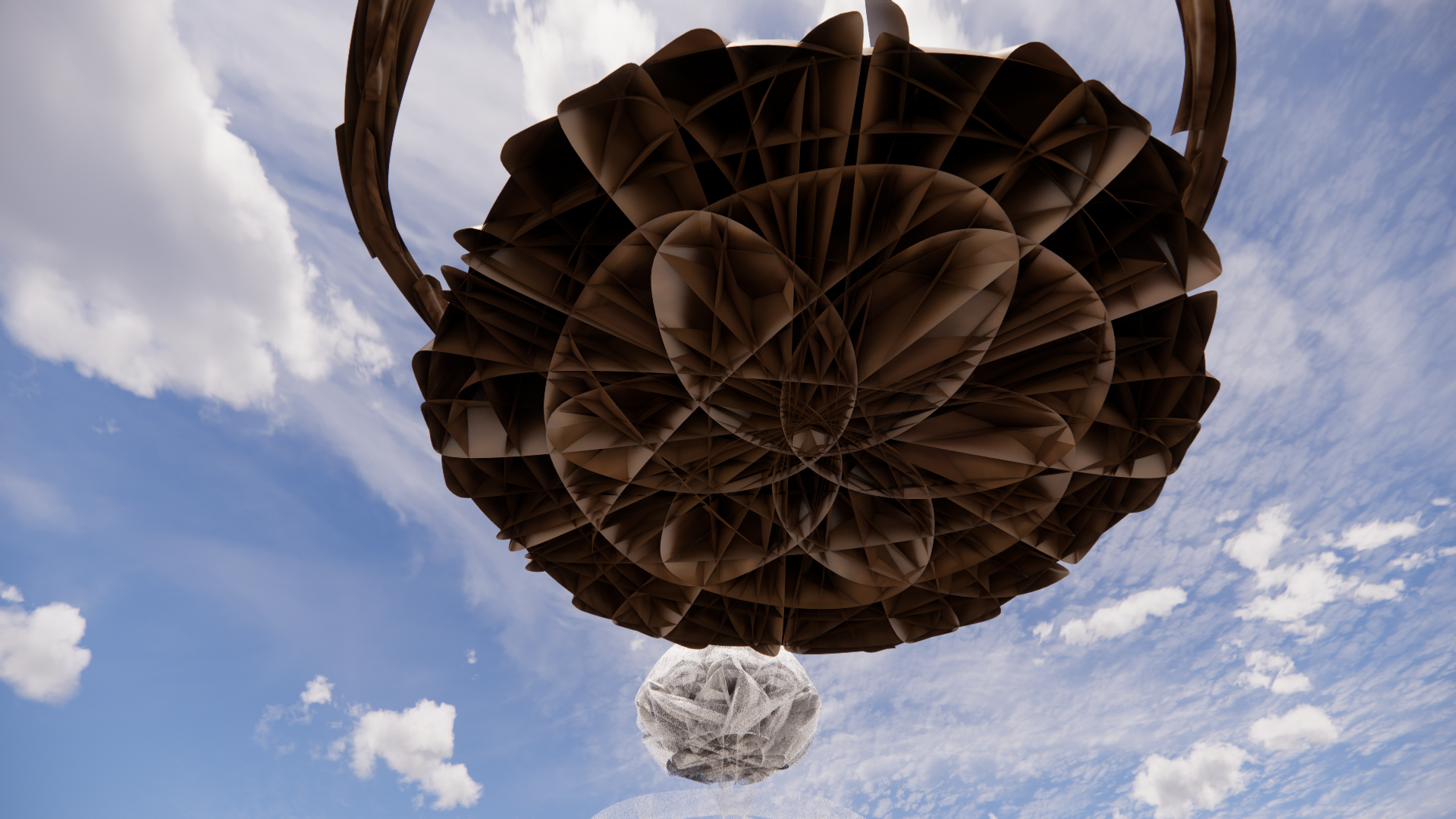
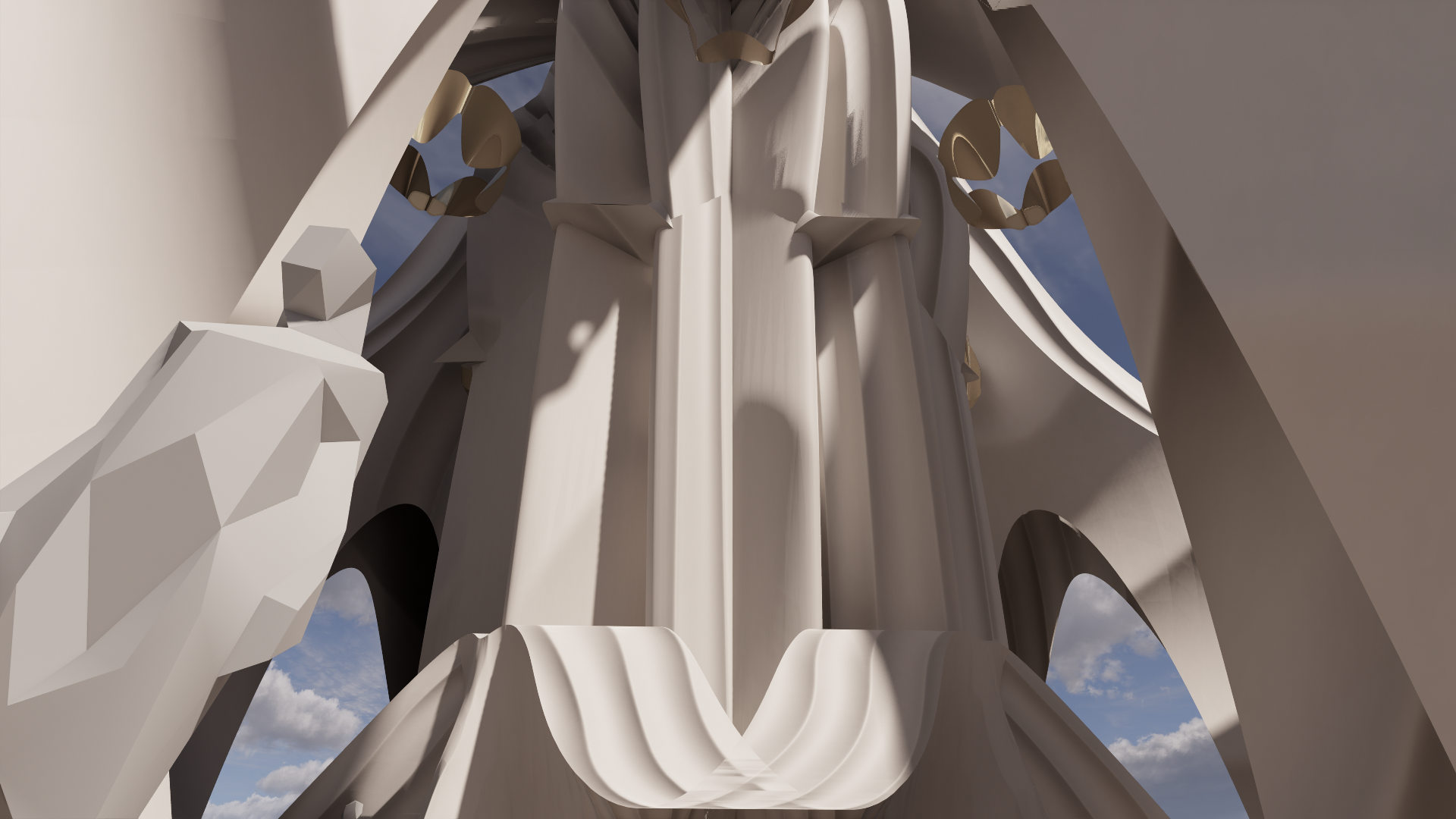
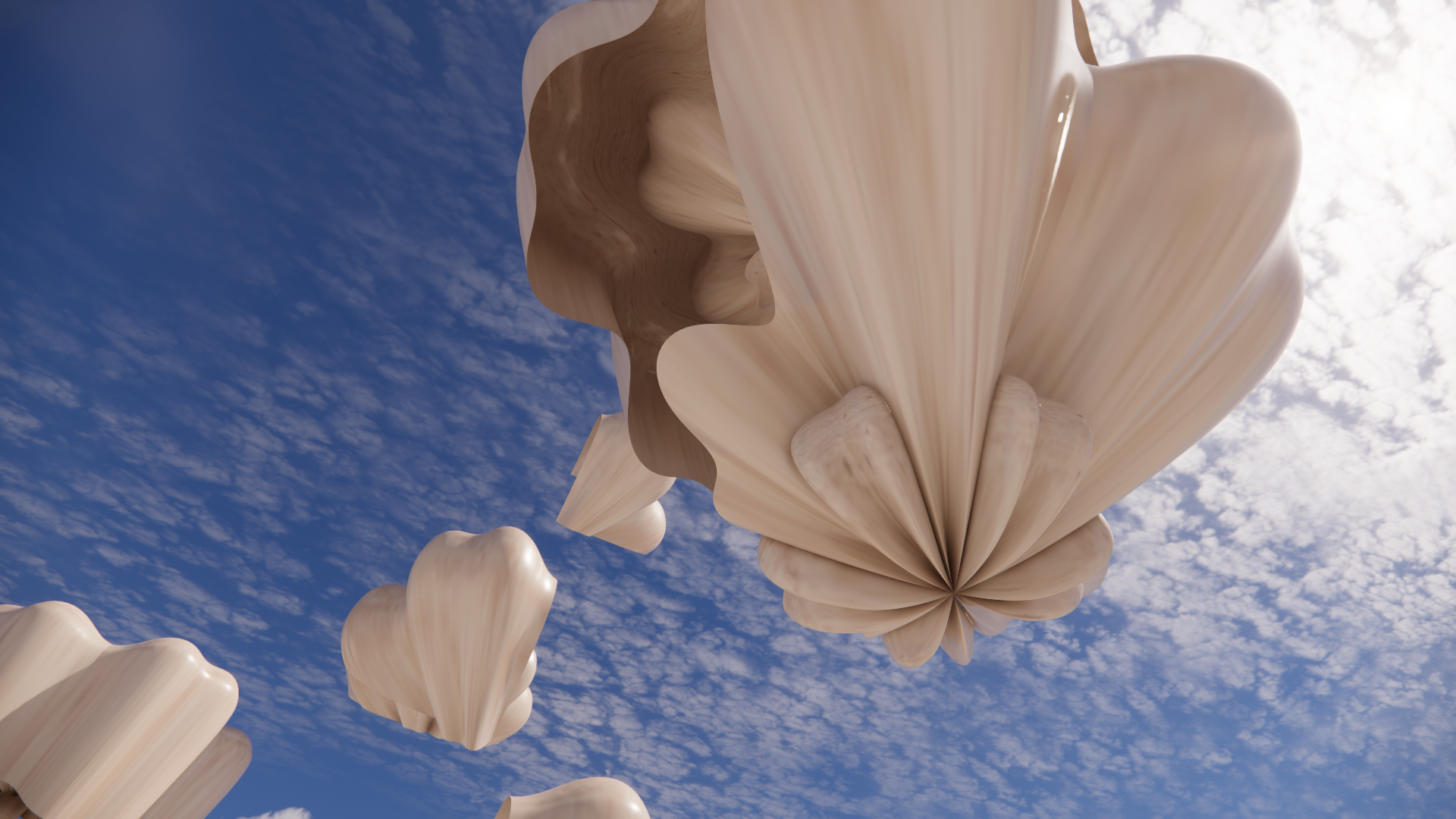
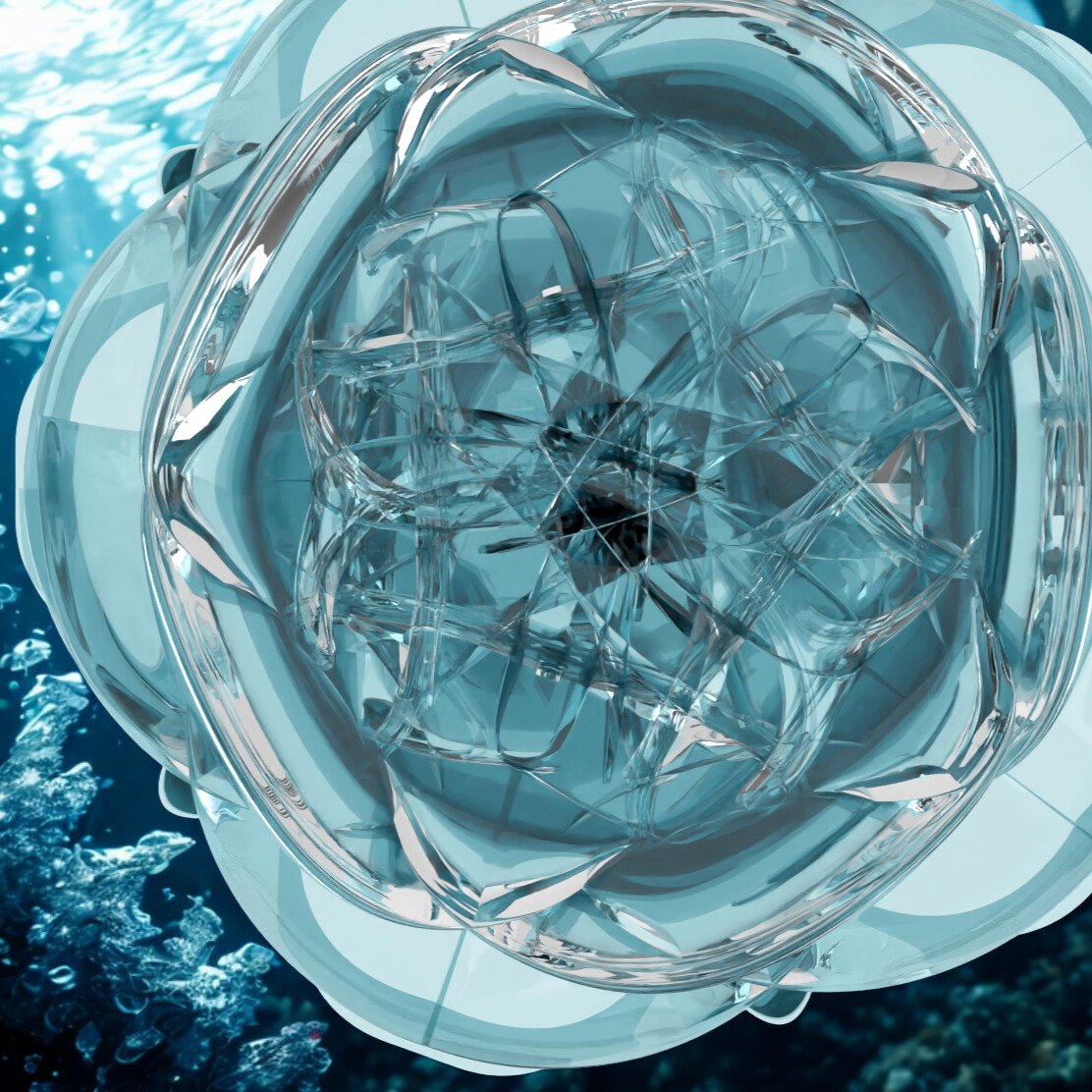
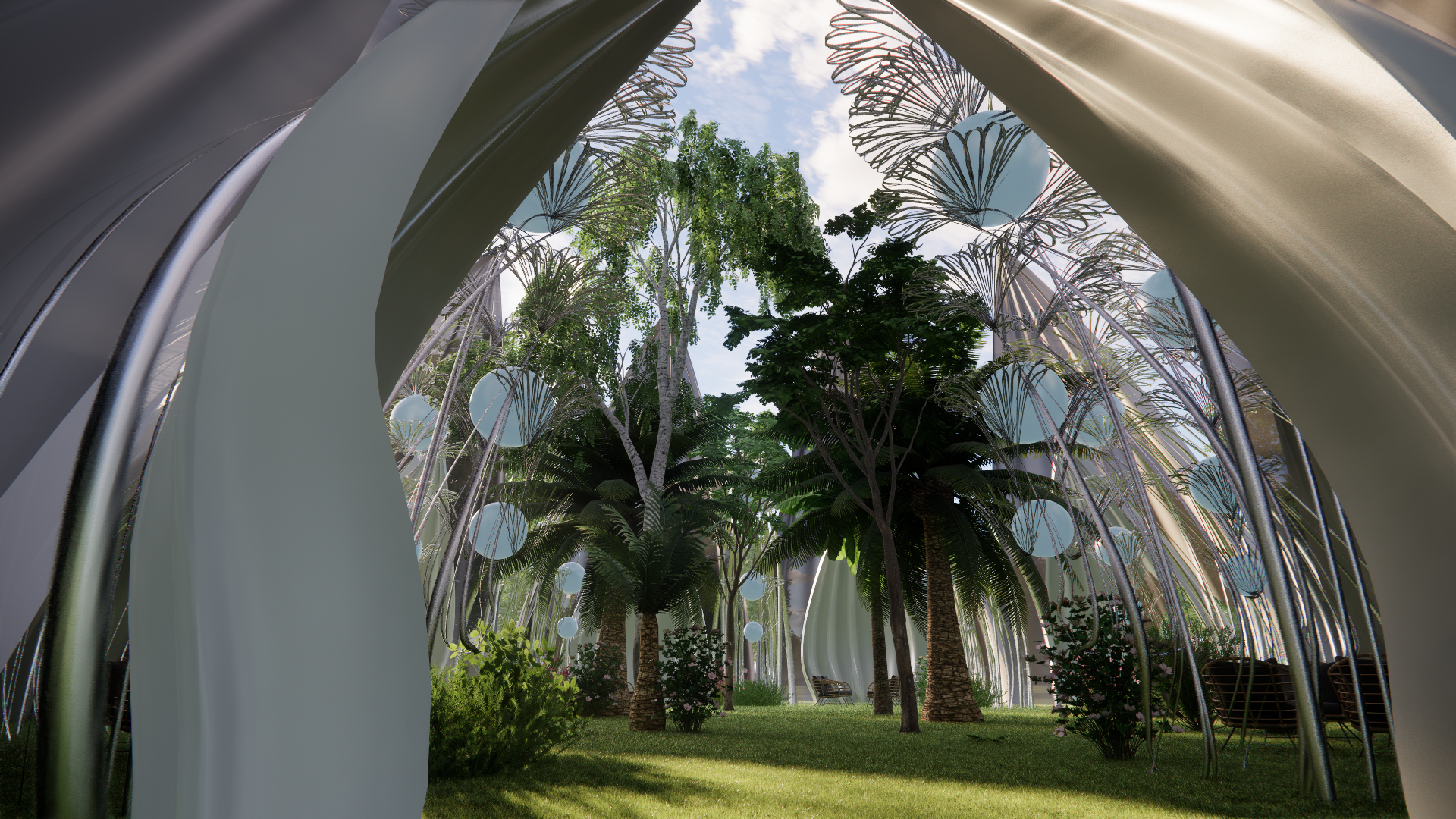
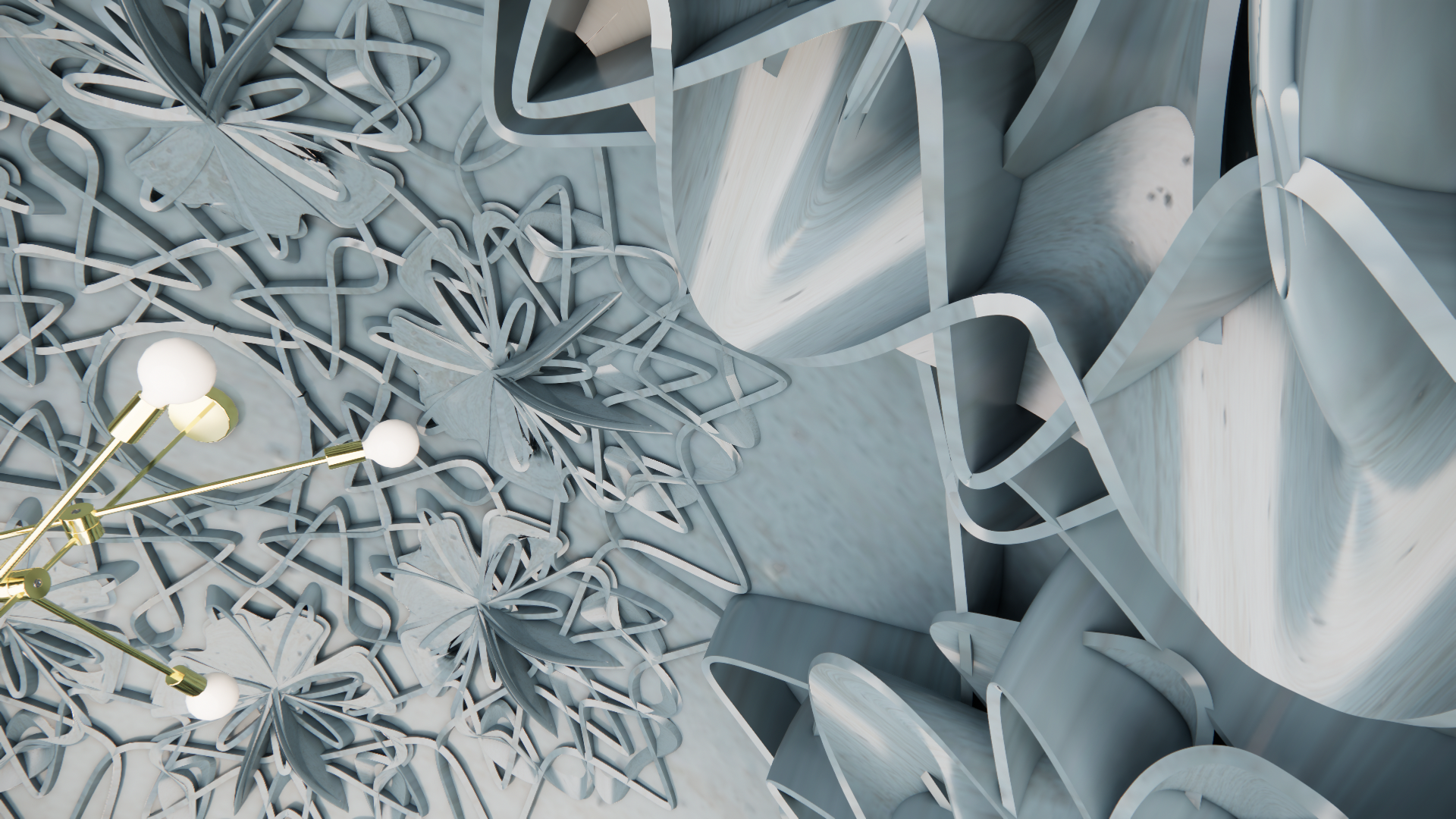
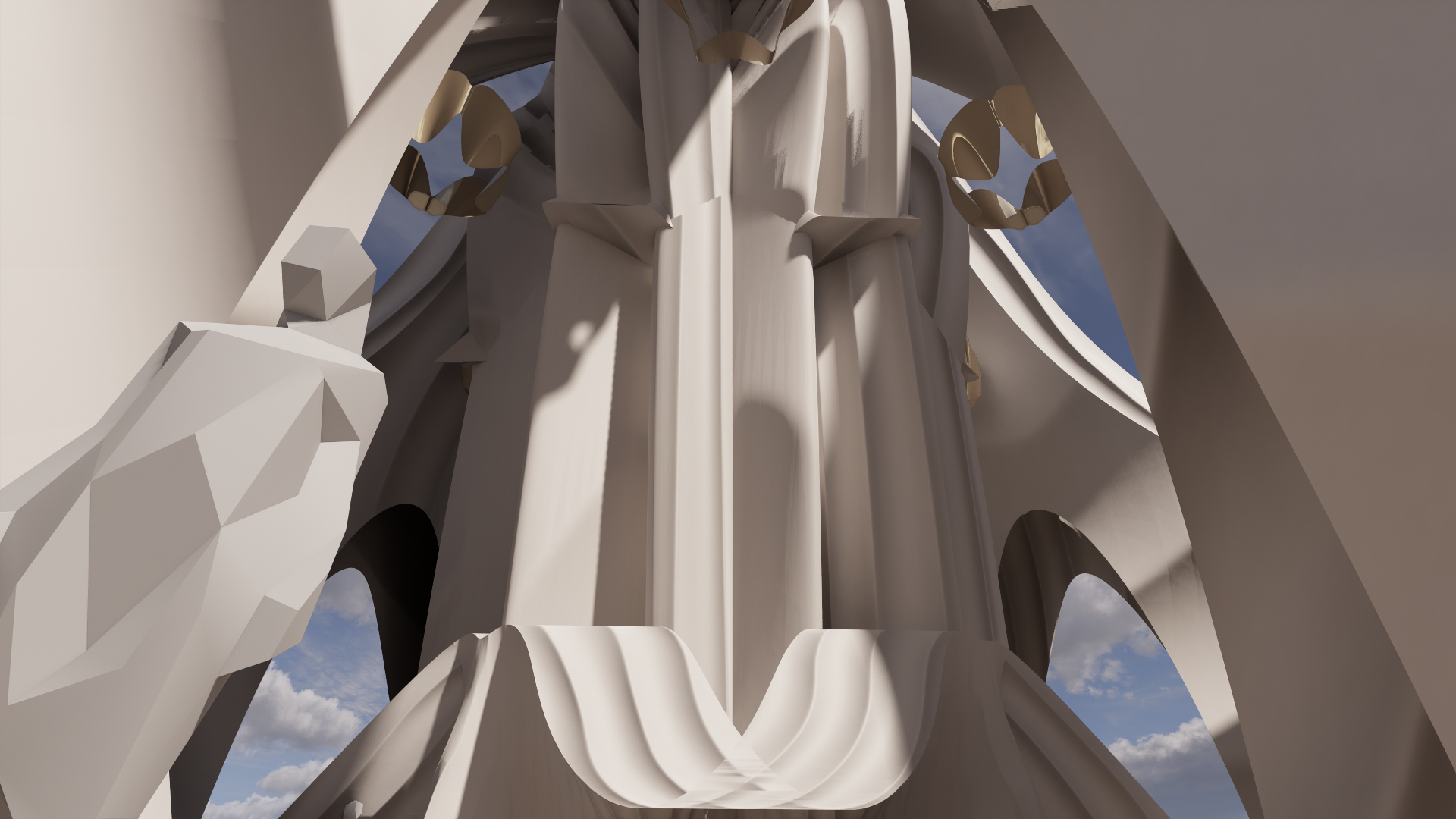
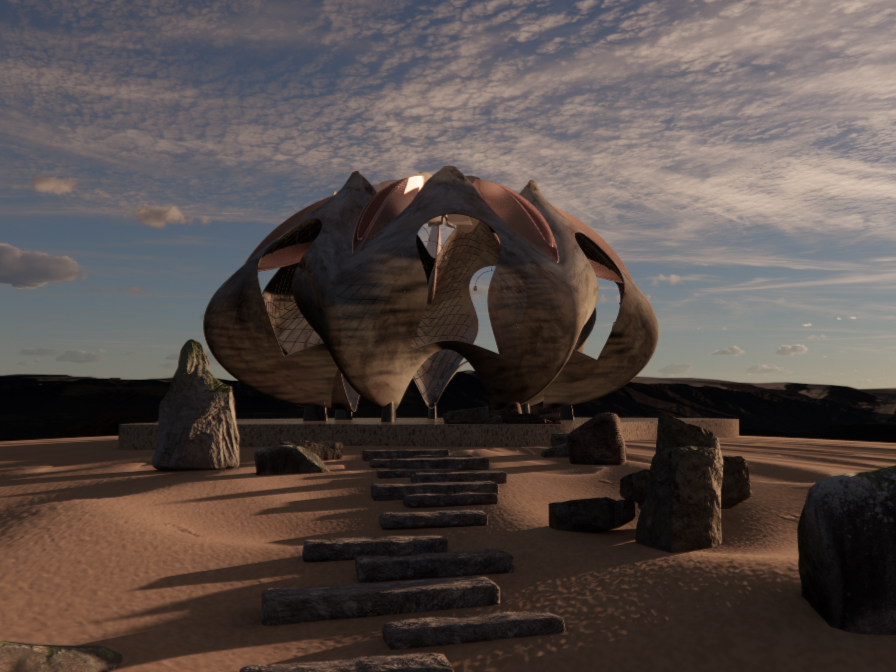
The proportional systems described above are not applied by hand or by reference to historical precedent alone. At 4D Design, they are also implemented parametrically using Rhino and Grasshopper to generate architectural form directly from mathematical relationships. Room dimensions, structural geometry, surface curvature, aperture ratios are all derived from the same generative algorithm, traceable back to the resonant principles from which they were produced.
This is where ancient knowledge and contemporary practice converge. We use the geometry of the ancients but apply it computationally - which means the same mathematical relationships can now govern a building at every scale simultaneously, from overall massing down to surface detail, with perfect internal consistency.
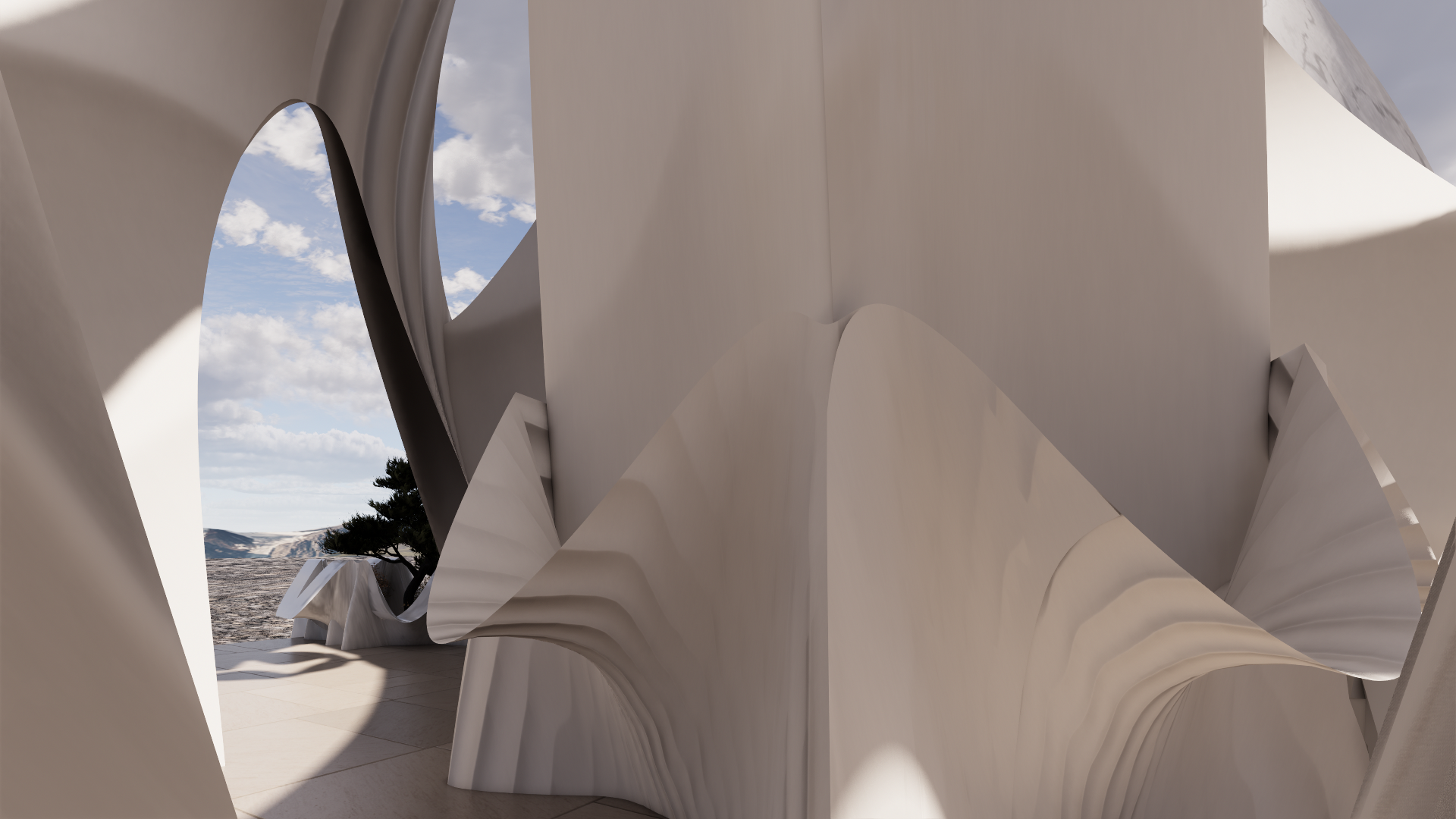
The result is not a building that quotes sacred geometry. It is a building that is built from it. The geometry is the architecture.
MUSICAL RATIOS + PROPORTION SYSTEMS
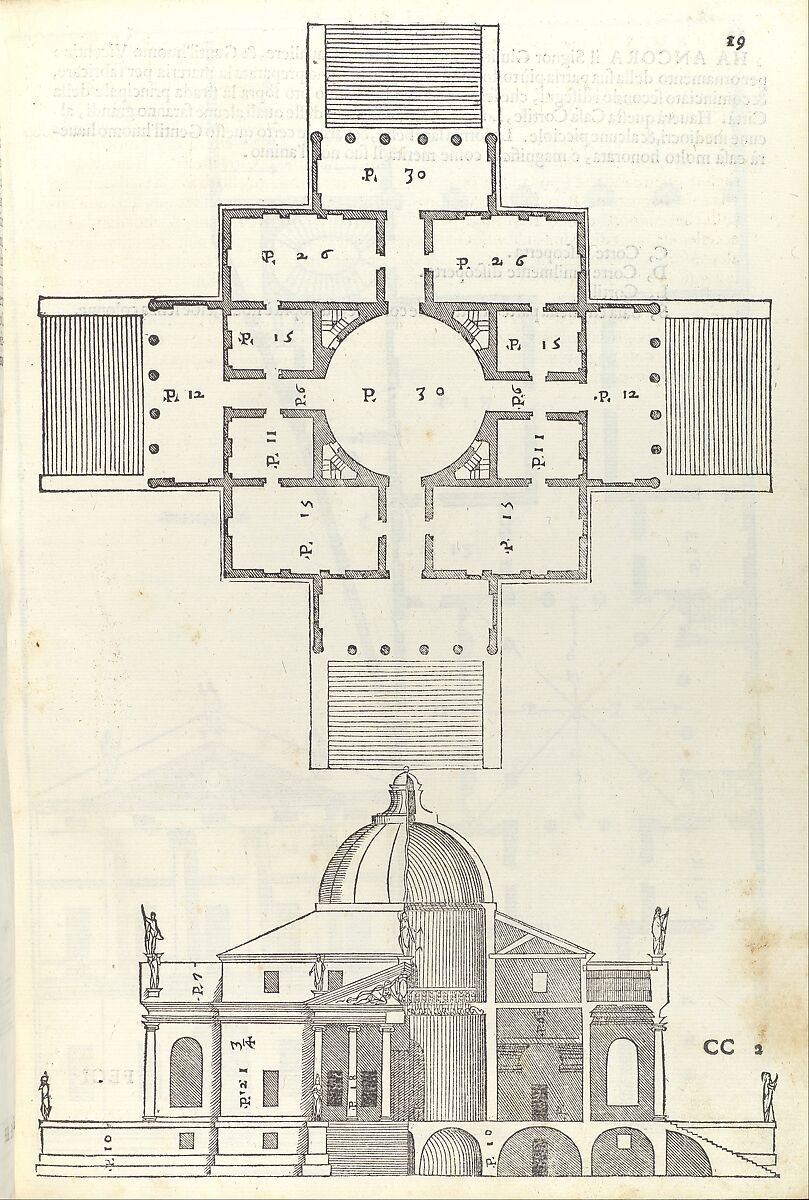
The same ratios that produce consonance in music - octave (1:2), perfect fifth (2:3), perfect fourth (3:4) were applied directly to architectural proportion by the Renaissance masters.
Alberti and Palladio documented this explicitly: a room whose dimensions follow musical ratios produces the same sense of resolution that a chord in tune produces in the ear. This is not metaphor.
The mathematics is identical. We design room proportions, ceiling heights and spatial sequences from the same harmonic series that governs musical composition.

These systems were not invented by architects.
They were discovered in nature.

GEOMETRY OF SOUND
Sound is not only audible. It is geometric.
When a frequency is introduced into a medium such as a plate of sand, a column of air, the interior volume of a room, it organizes matter into specific, stable patterns. These patterns are not random.
They are the visible signature of the frequency itself: the geometry that sound makes when it stands still. What we call acoustics is, at its root, the interaction between the geometry of a space and the geometry of the frequencies it receives. A room is a resonant cavity. Its dimensions determine which frequencies it amplifies, which it suppresses, and which it holds as standing waves.
The great sacred buildings of antiquity understood this, whether or not they formulated it in the terms we use today. The dimensions of the Parthenon, the Pantheon, the Egyptian temples - these produce specific resonant conditions in the frequency ranges that correspond to human nervous system activity.
This was not accident. It was the direct application of a knowledge that treated geometry, sound, and biological effect as aspects of a single unified understanding.

CYMATICS
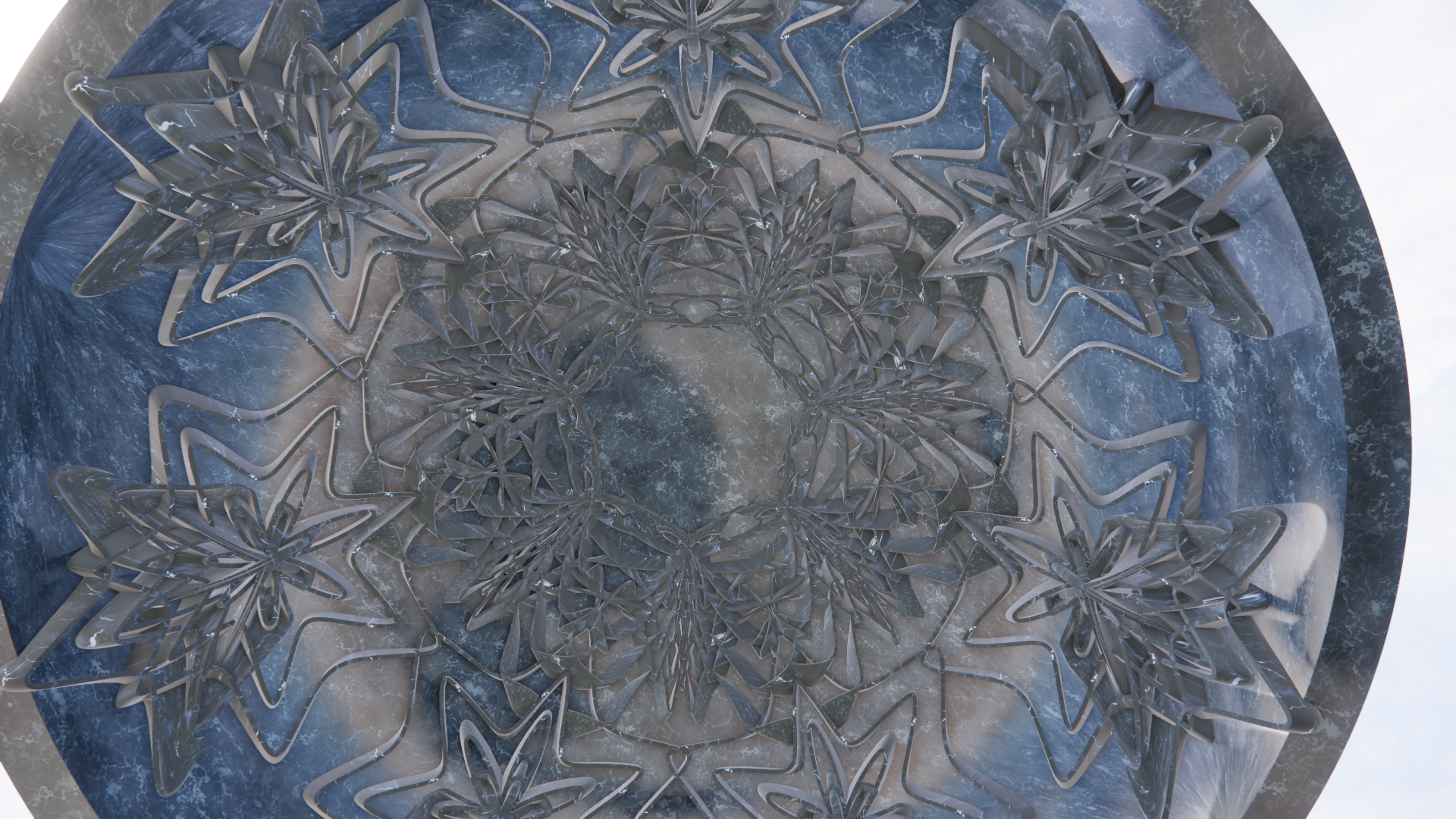
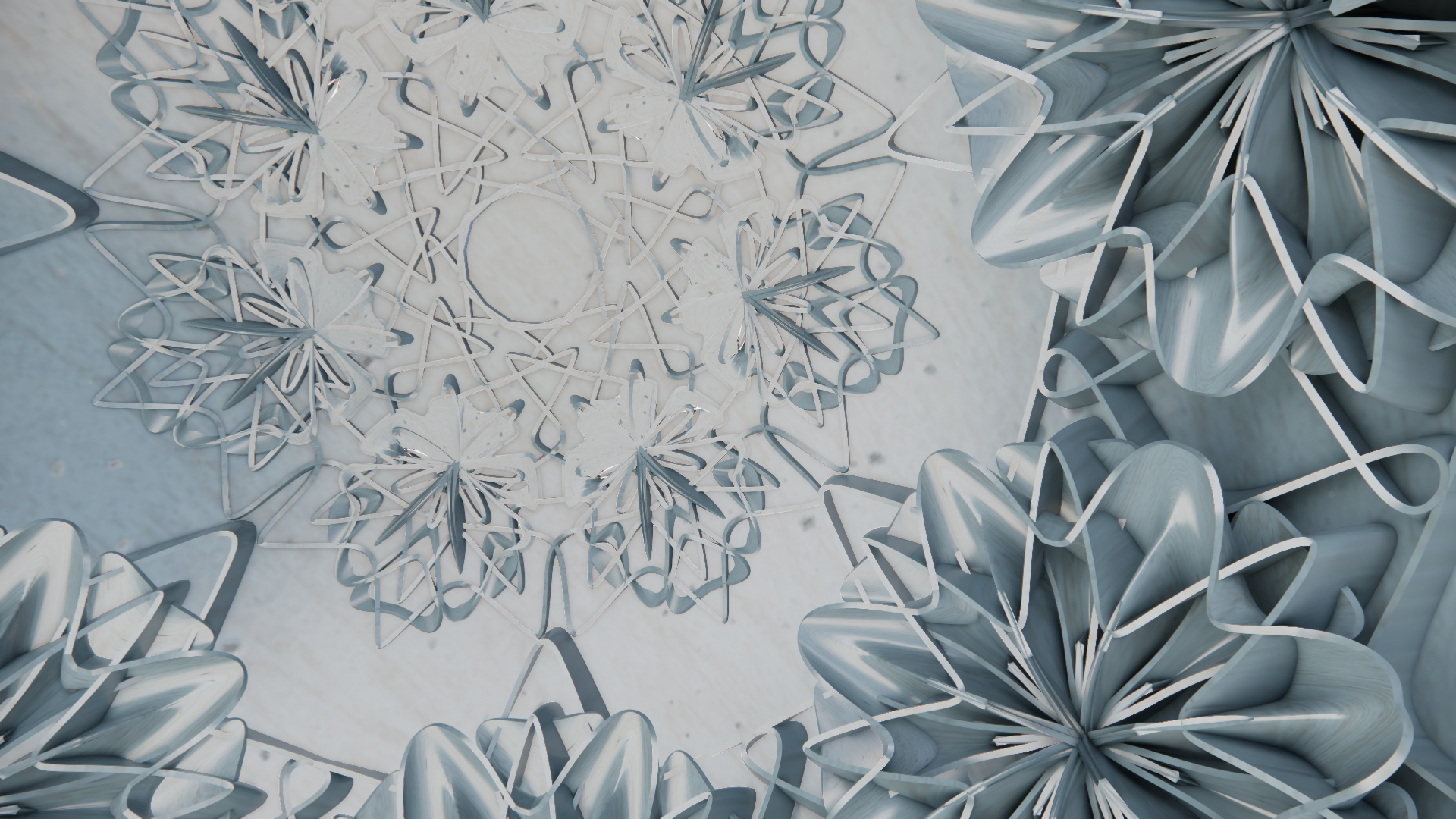
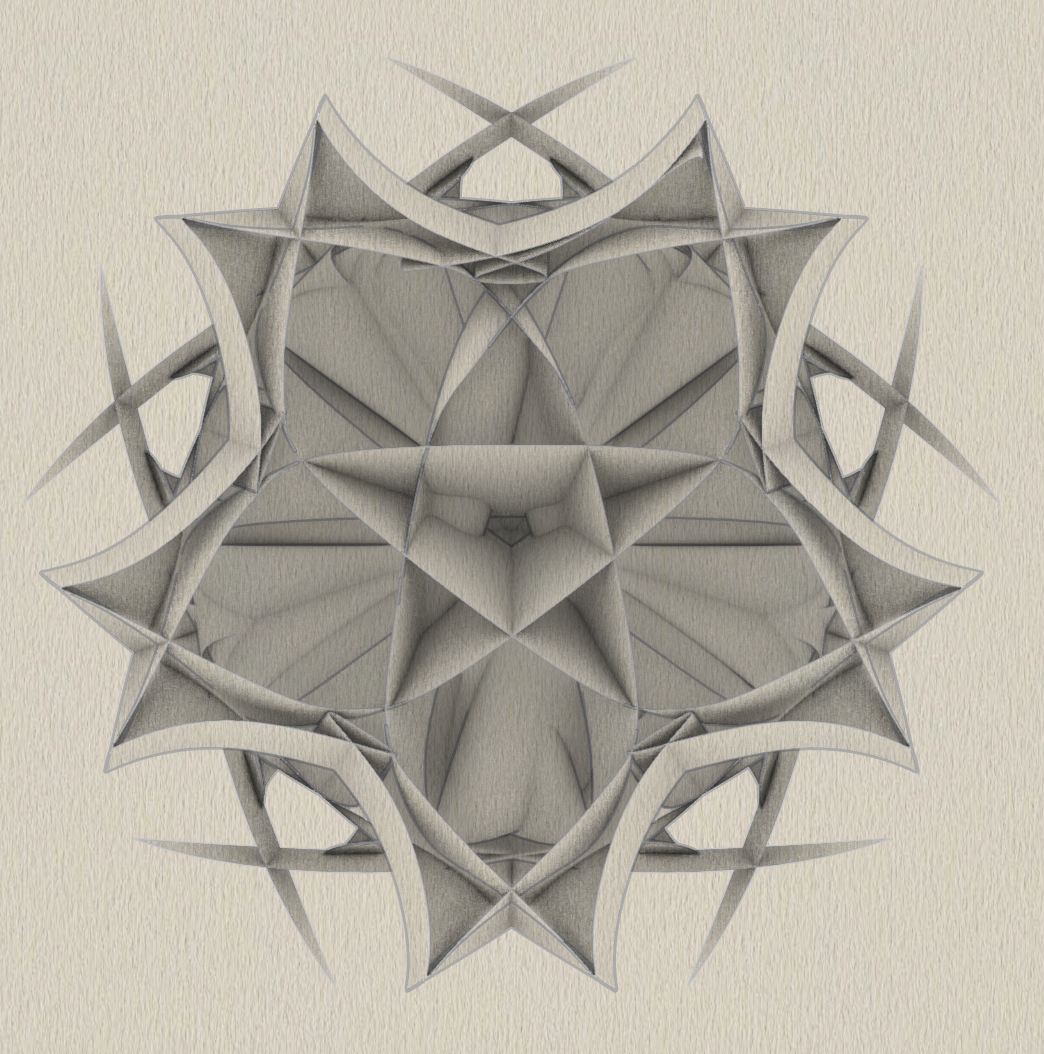
In the eighteenth century, Ernst Chladni demonstrated that sound frequencies produce specific geometric patterns in sand spread across a vibrating plate. Each frequency generates a unique, stable figure - intricate, symmetrical, and exact.
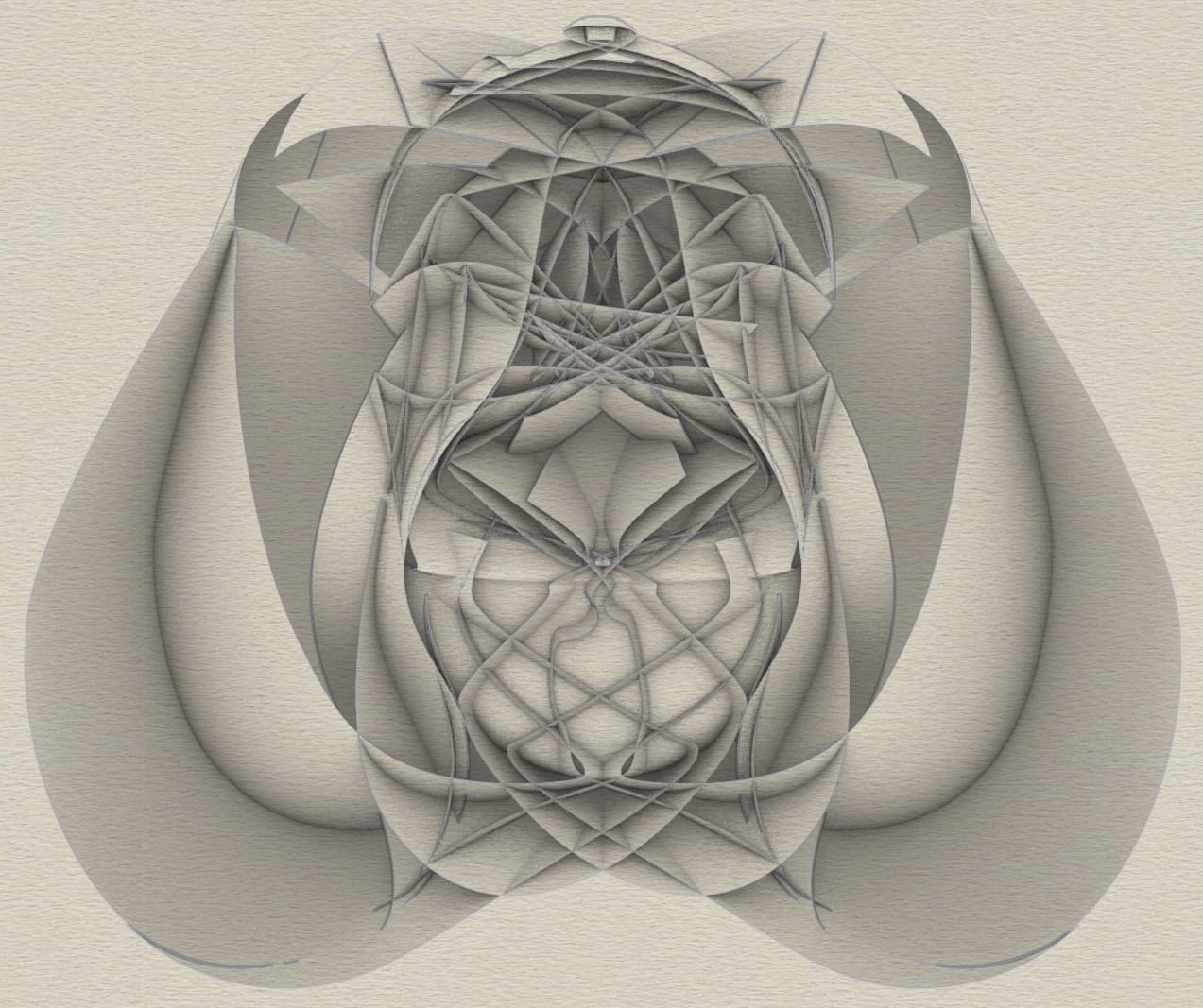
These Chladni figures are the geometry of sound made visible. They are also, strikingly, the same geometric forms that appear throughout sacred architecture across cultures - not because those cultures knew about Chladni figures, but because they were working from the same underlying reality.
We use cymatics as a diagnostic and generative tool - understanding which spatial geometries will support specific resonant conditions, and designing form, surface articulation, and material selection to reinforce rather than disrupt the resonant field a space is intended to carry.
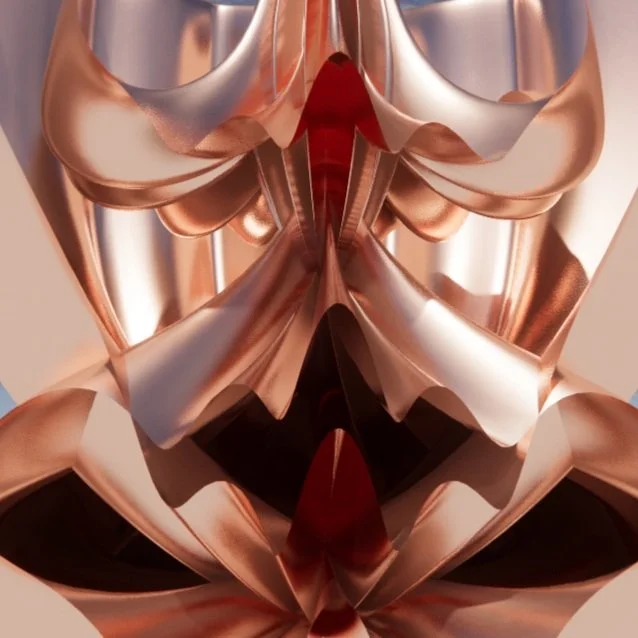
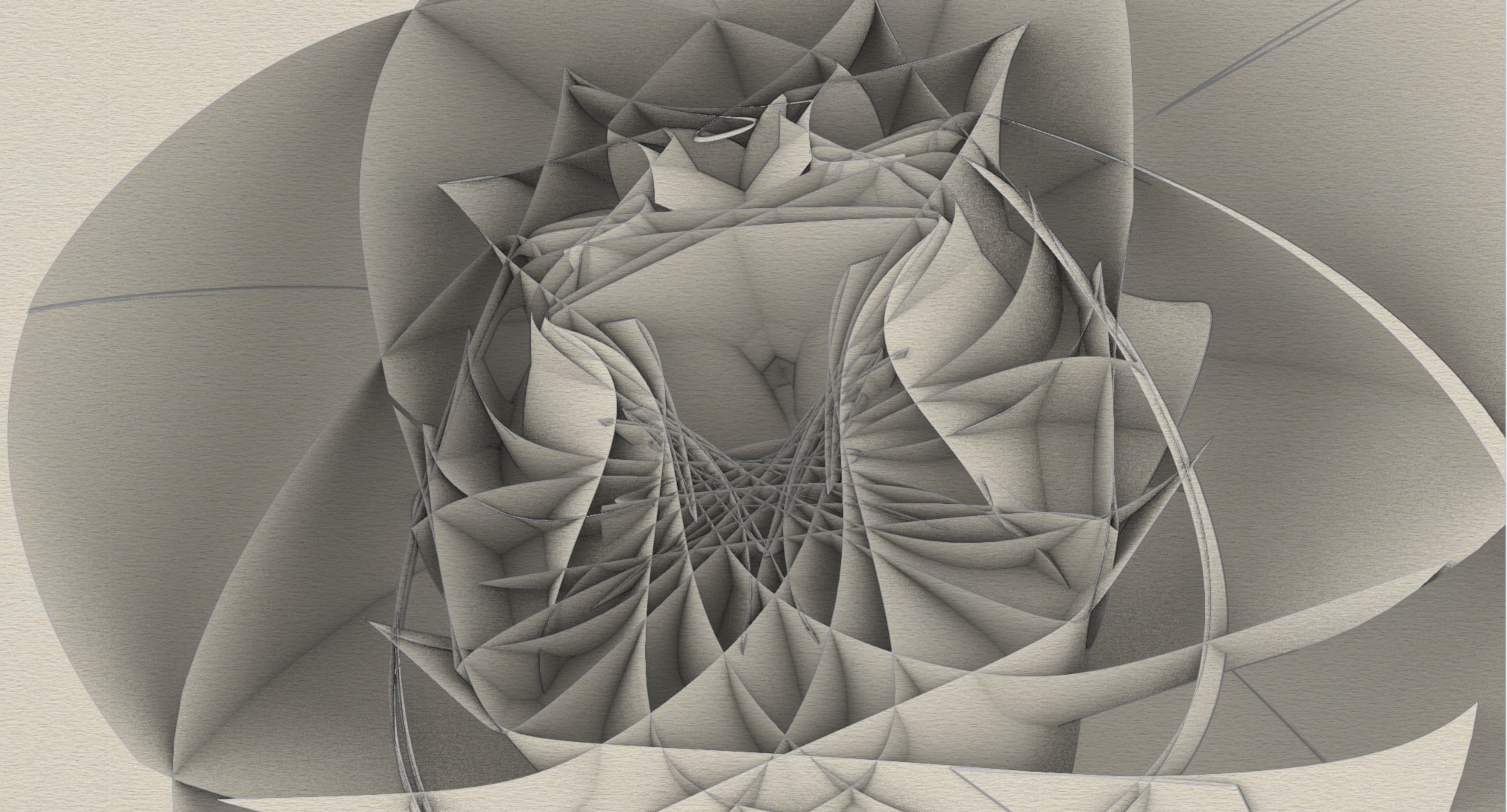
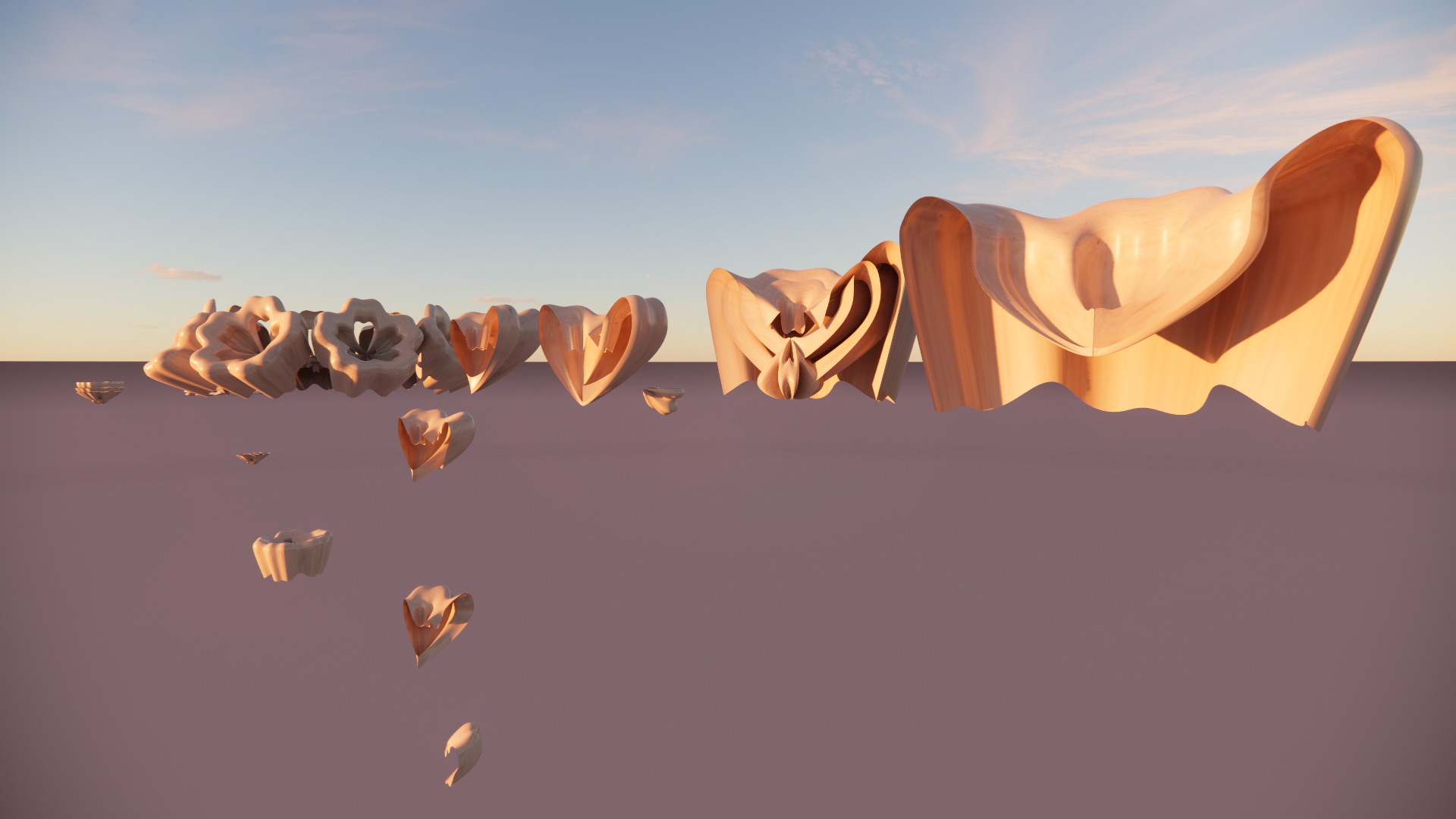
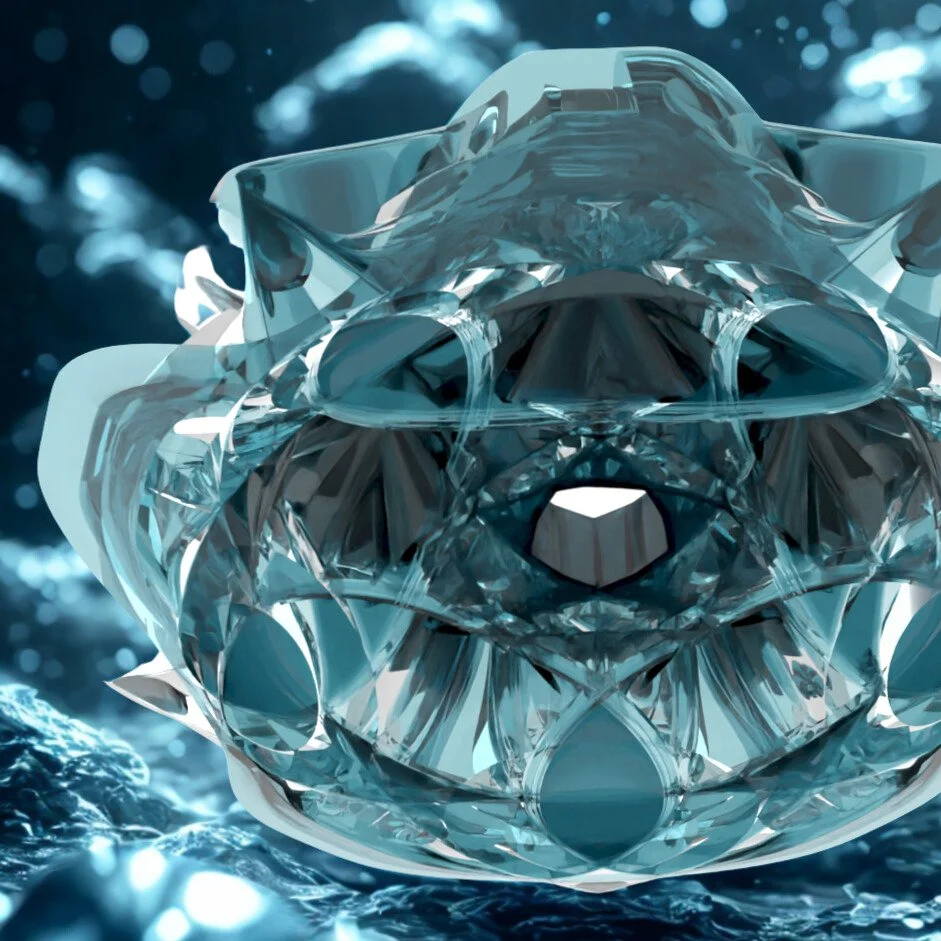
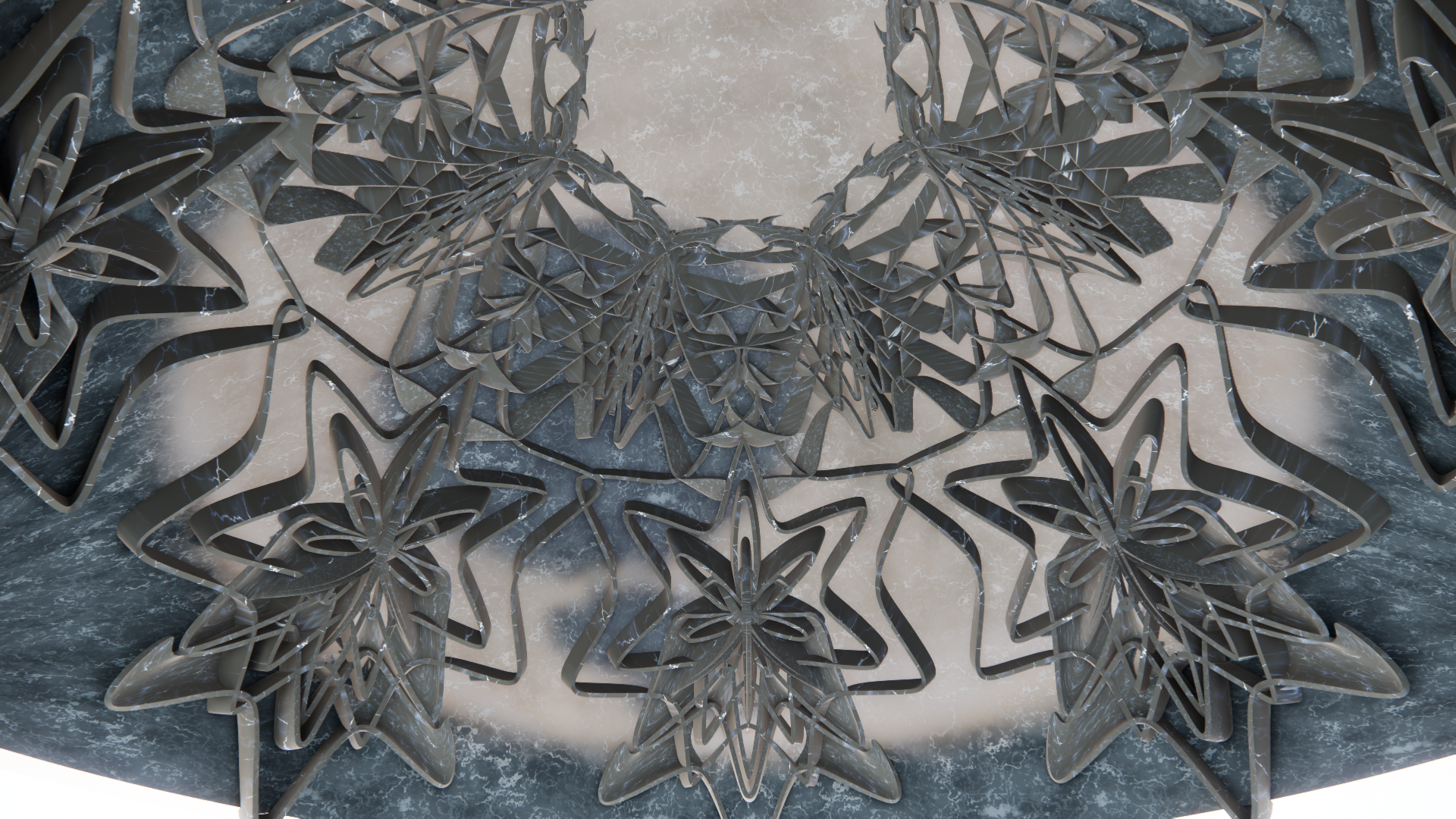
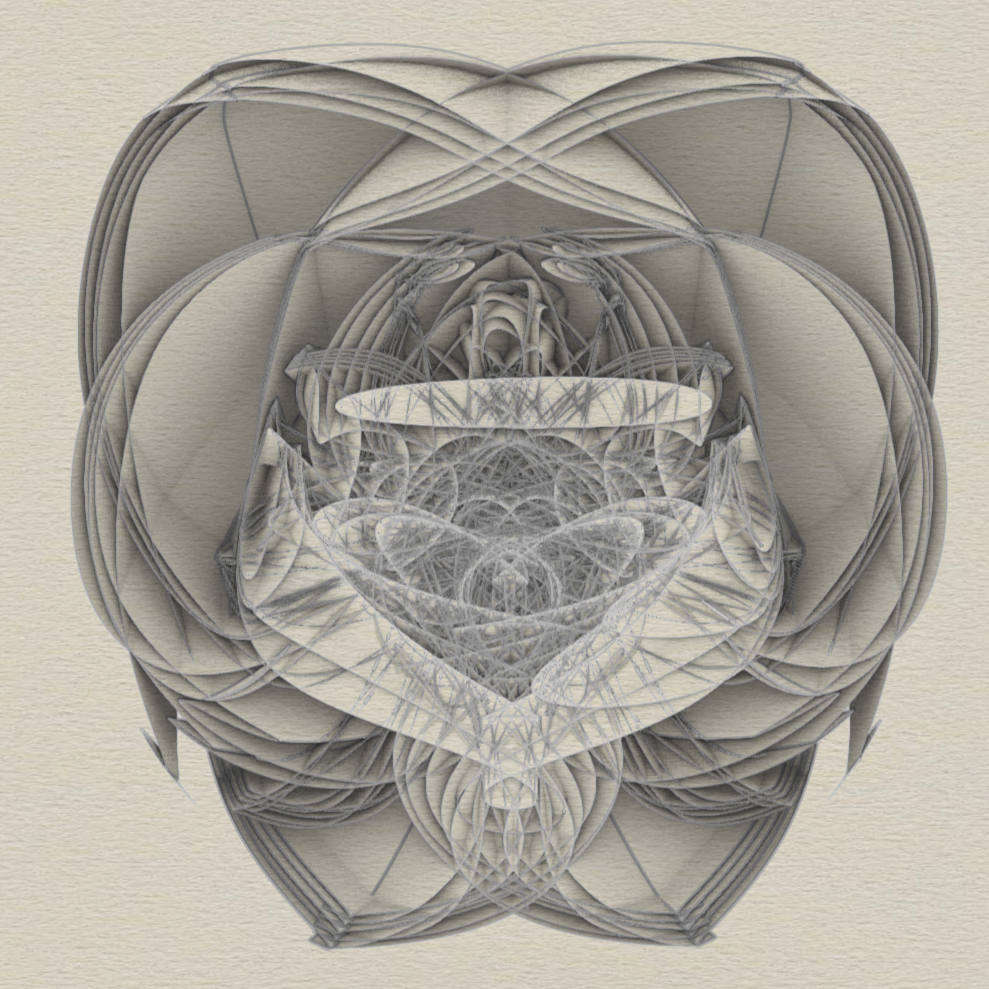
We are able to map cymatics in three dimensions and use this as the basis for new architectural form.
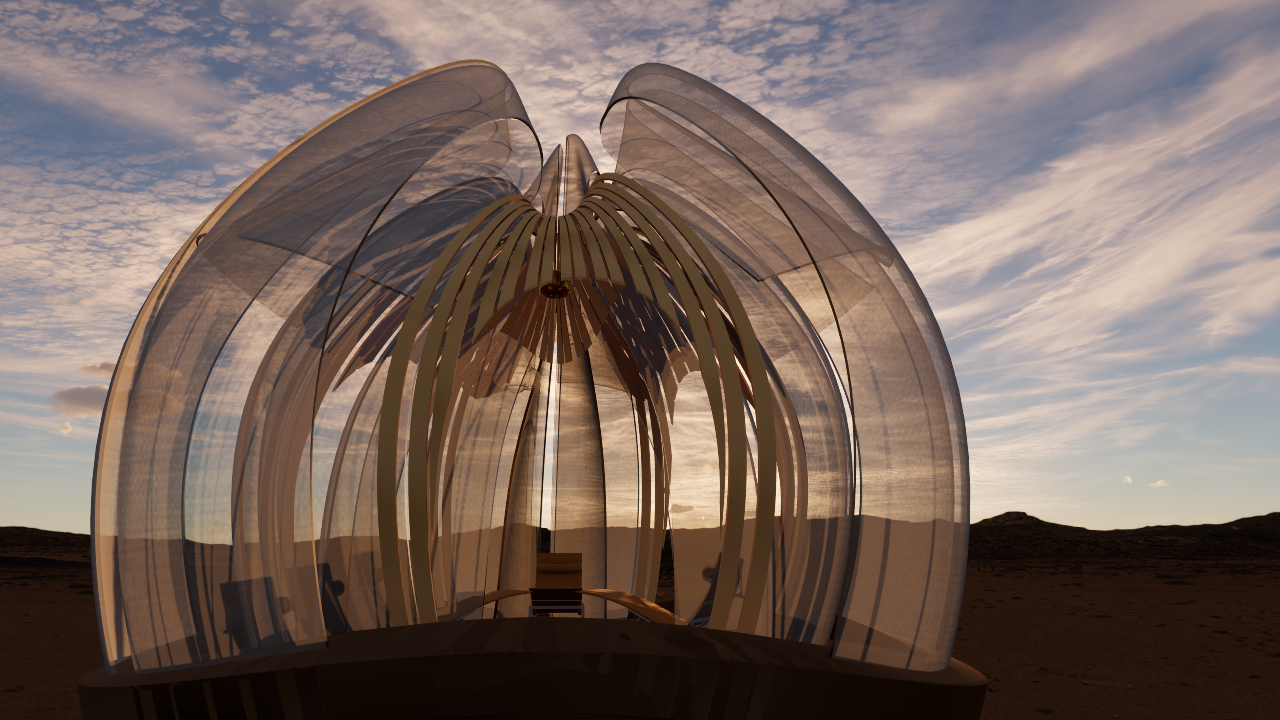
RESONANCE ARCHITECTURE
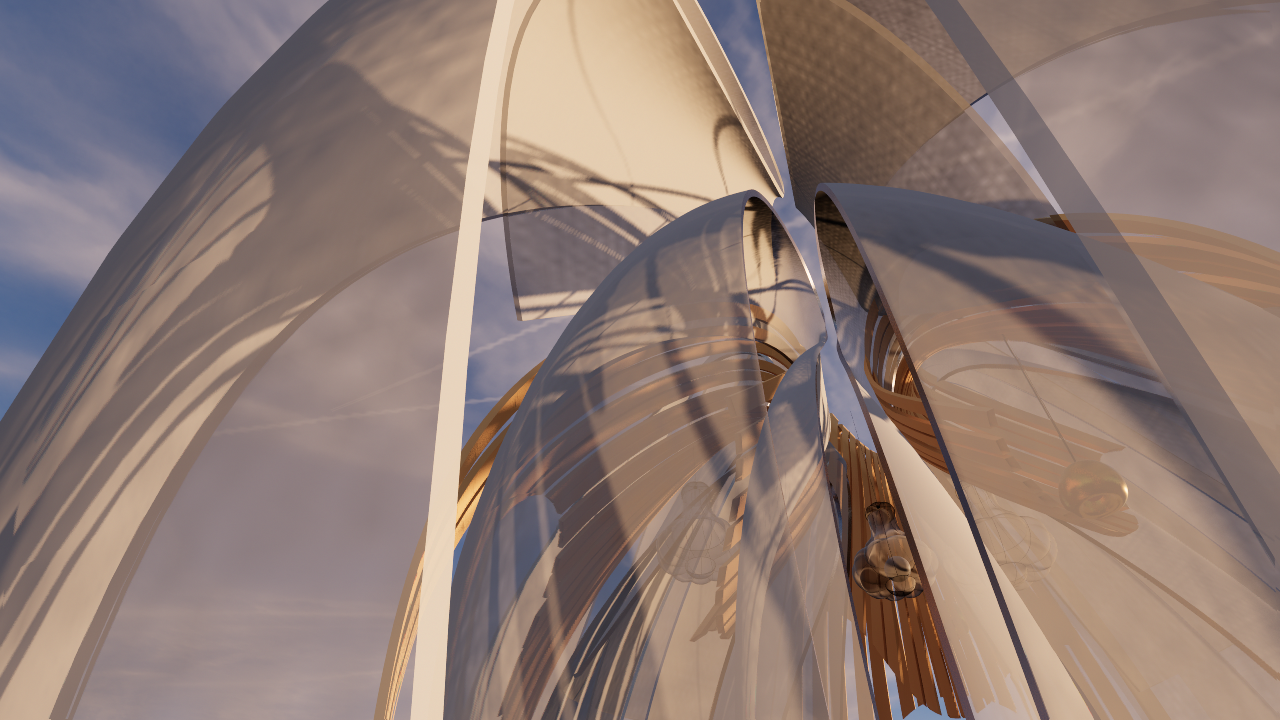
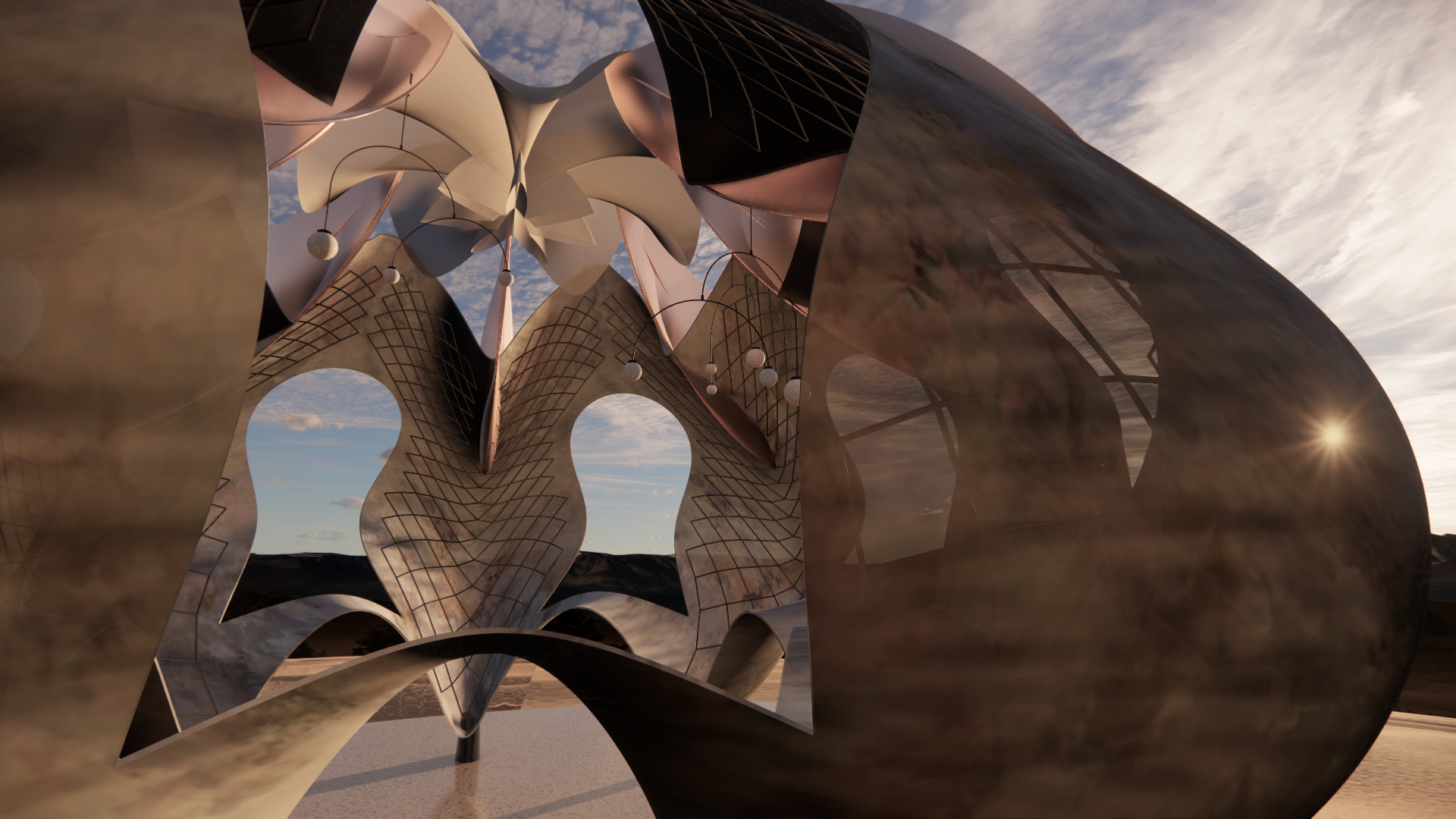
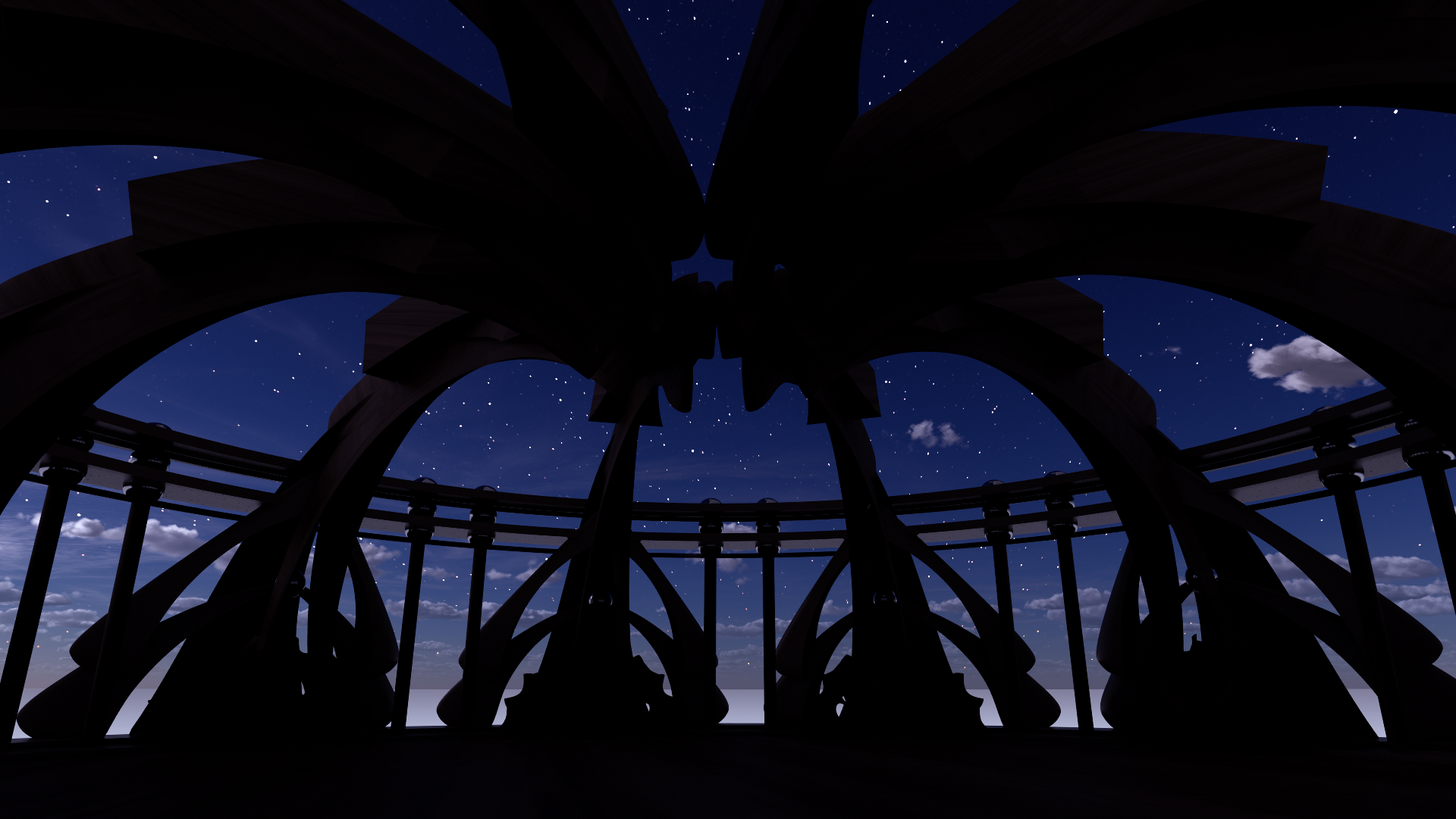
A building designed from resonant geometry is not a container with correct proportions. It is an instrument. Every surface is derived from the mathematics of the field it is intended to carry.
The plan is a horizontal section through a resonant form. The section is a vertical cut. The ceiling profile follows an antinodal surface where the field is most concentrated. T
he floor geometry maps the nodal lines - where the field is most stable and structural support is most efficient. The walls are the pressure gradient surfaces between nodes and antinodes.
When music is played in such a space / or when people simply breathe and move, the acoustic energy excites the resonant modes the geometry was designed to carry.
The invisible becomes briefly, physically perceptible. This is what the great temples did and it is what we design toward.